Last updated: July 17, 2026

Euthanasia & Saying Goodbye

Children and Euthanasia

Helping a child through a pet's euthanasia takes honesty and care. This gentle guide covers what to say, whether they should be present, and how to explain a loving goodbye in words a child can hold.

For many children, a pet's death is their first experience of loss. How you guide them through it, with honesty and warmth, can shape how they understand grief for the rest of their lives.

Honesty is the kindest approach

It is natural to want to protect a child from pain, but gentle honesty protects them better than soft phrases that hide the truth. Children sense when something is wrong, and vague explanations often leave them more confused and frightened than a clear, loving one would. Telling them that the pet is very sick or very old, that their body cannot get better, and that the veterinarian will help them die peacefully and without pain gives their grief something solid to stand on.

Meet your child where they are. A four-year-old and a fourteen-year-old need different words, but both need the truth, delivered with tenderness and room to feel.

Gentle ways to help a child through it

Use clear, honest words

Explain that the pet is very sick or very old, that their body has stopped working and cannot be fixed, and that the veterinarian will help them die gently, without pain. Honesty builds trust, even when it hurts.

Avoid confusing phrases

Steer away from "put to sleep" or "went away," which can make children afraid of sleep, the vet, or being left. Gentle, accurate language is less frightening than soft phrases that hide the truth.

Let them feel and ask

Invite questions, answer them simply, and let children see your own sadness. Sharing grief teaches them that love and loss belong together, and that their feelings are welcome.

Include them in the goodbye

If they wish, let children help say goodbye, draw a picture, or make a small memorial. Having a way to show their love can give a child real comfort.

Should your child be there?

Whether a child is present for the euthanasia itself is a personal decision that depends on their age, maturity, and wishes. Some children find that being there, or at least saying goodbye beforehand, helps them understand and accept the loss. Others find it too much, and that is entirely okay. Never force it, and always prepare them gently for what they will see. Our guide on being present at the end can help you think it through.

Afterward, give grief somewhere to go. Looking at photos, telling stories, or making a small memorial can comfort a grieving child. Our memorial ideas for kids offer gentle, hands-on ways to remember.

Every child grieves differently. Trust what you know about yours, and reach out to your veterinarian or a counselor if you would like extra support.


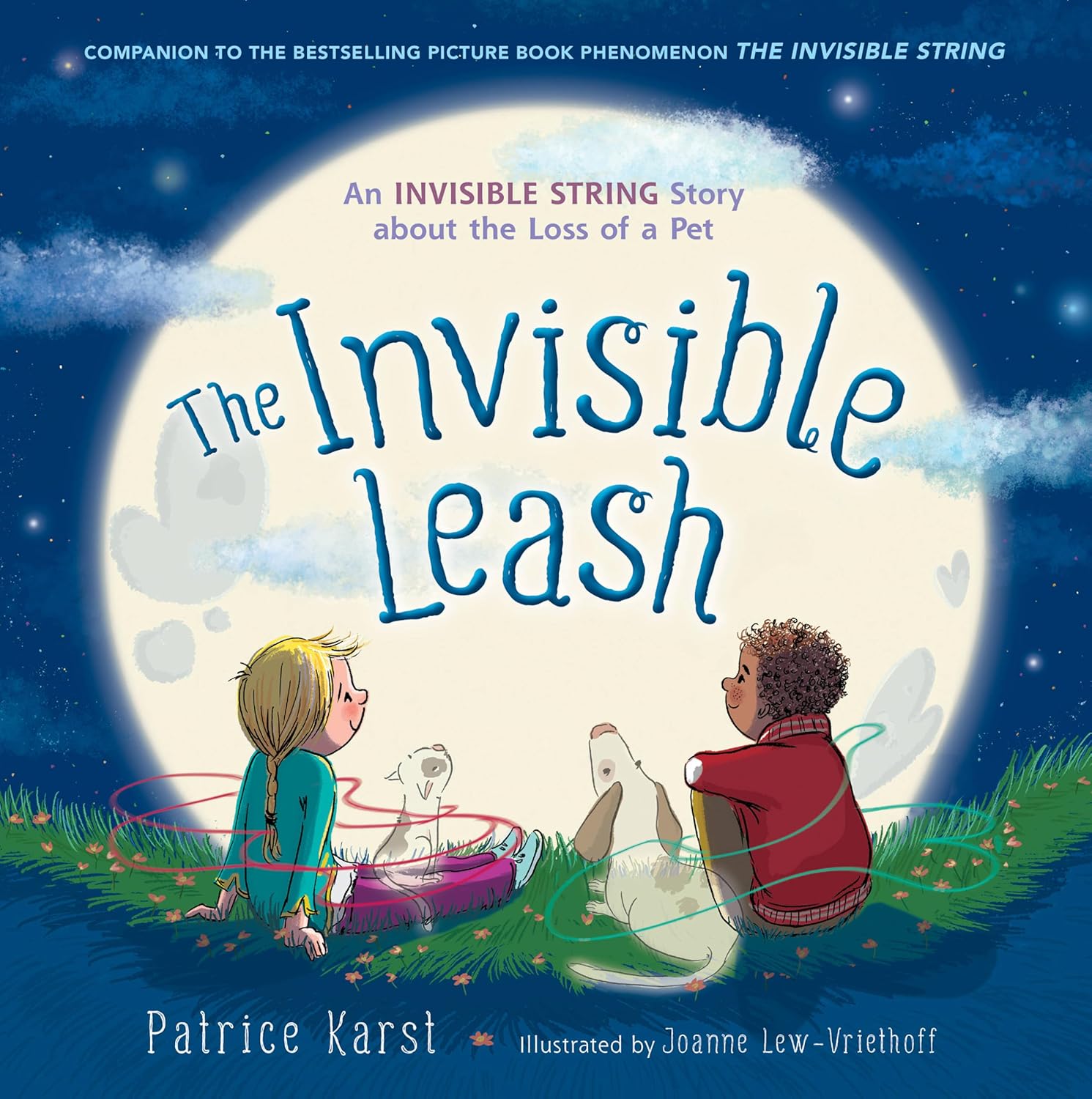
Books That May Bring Comfort

A few gentle, well-regarded reads for this part of the journey.

As an Amazon Associate we earn from qualifying purchases. The book links below are affiliate links, and we may earn a small commission if you buy through them, at no extra cost to you. Learn more.

Looking for more? See our full guide to the best books on pet grief.

Children and Euthanasia: Common Questions

Gentle answers for helping a child say goodbye.

How do I explain euthanasia to my child?

Use clear, honest, age-appropriate language. Explain that the pet is very sick or very old, that their body has stopped working and cannot get better, and that the veterinarian is helping them die gently and without pain. Avoid phrases like "put to sleep," which can confuse or frighten young children. Let them ask questions and share your own sadness so they know grief is normal.

Should my child be present during the euthanasia?

There is no single right answer, and it depends on the child and on you. Some children find being present helps them understand and say goodbye, while for others it is too overwhelming. Consider their age, maturity, and wishes, and never force it. Whatever you decide, prepare them for what will happen so nothing is a shock.

What if my child blames themselves or me?

Children sometimes believe they caused the loss, or feel angry at the parent who made the decision. Reassure them clearly that nothing they did or felt caused this, and that ending the pet's suffering was the kindest, most loving choice. Keep the conversation open over the following days, since grief in children often comes and goes.

How much detail should I share?

Follow your child's lead and their age. Younger children usually need simple, concrete explanations, while older children and teens may want to understand more, including the reasons behind the timing. Answer honestly what they ask, without overwhelming them with details they did not request.

How can I help my child grieve afterward?

Give grief a place to go. Let your child talk about the pet, look at photos, or take part in a small memorial or goodbye ritual. Keep routines steady, watch for changes in sleep or mood, and reassure them that missing their friend is a sign of how much they loved them. Our memorial ideas for kids can offer gentle, hands-on ways to remember.

Guide them through with honesty and love

Explore the guides that help your whole family through this goodbye.

Ads.txt