
Dog Calorie Calculator — Free Daily Calorie & Nutrition Tool by Breed
Free dog calorie calculator. How many calories does my dog need? Calculate your dog

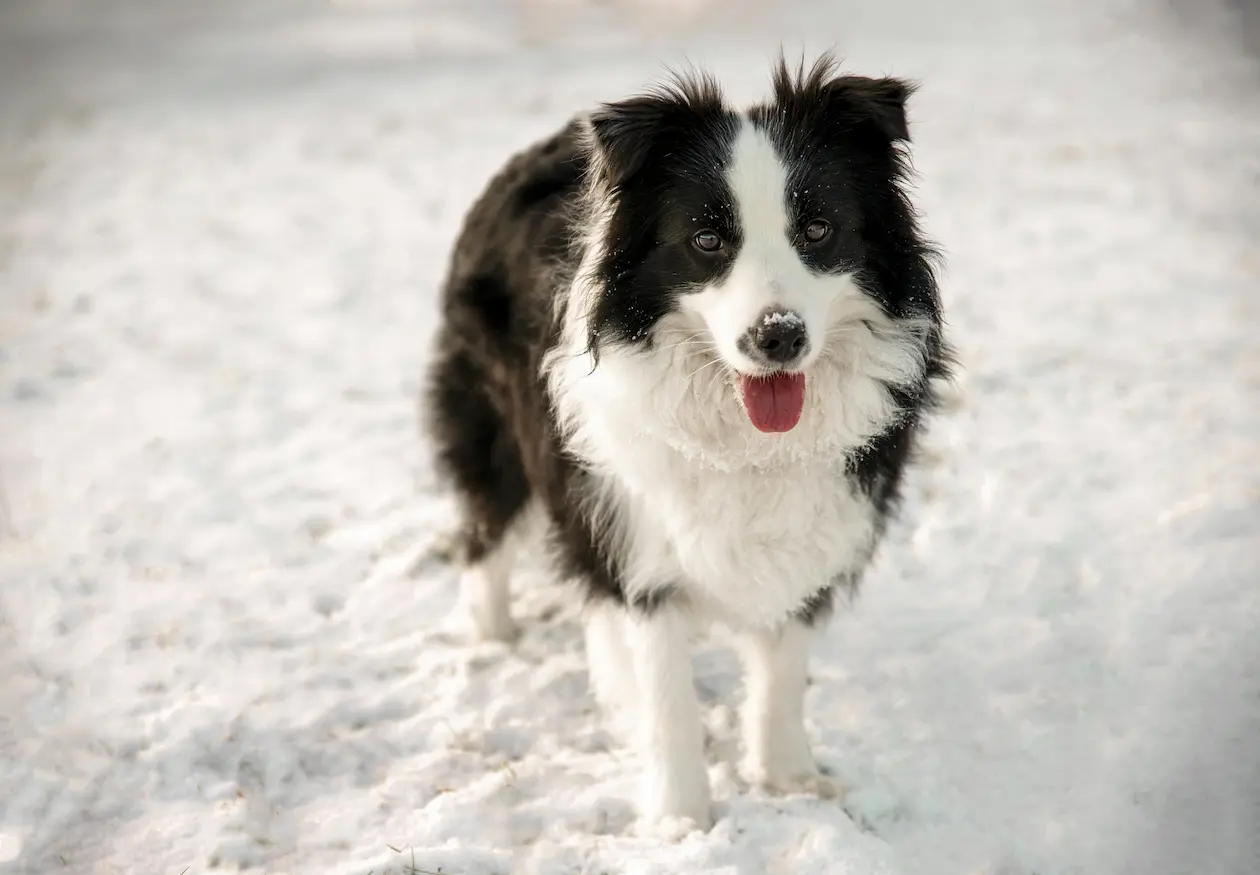
Enter your Border Collie's sex, age, and current weight to check if they are within the healthy weight range for their stage of life.
Border Collies are widely regarded as the most intelligent dog breed, originally developed for sheepherding in the Anglo-Scottish border region. Adults weigh 30–55 lbs (male) and 27–45 lbs (female) per AKC standards. Working-line Border Collies tend to be leaner than show-line dogs — this is normal for the breed. They are high-energy and need 1–2+ hours of vigorous exercise daily to maintain a healthy weight.
Border Collies live 12–15 years on average — exceptional longevity for a medium-to-large dog. Some well-cared-for Border Collies reach 17 or older. By comparison, similarly-sized Australian Shepherds average 13–15 years, and Labradors 10–12 years. The breed's working origins, lean build, and relative freedom from cardiac disease all contribute to this longevity.
Female Border Collies tend to outlive males by 6–12 months — a pattern seen across most breeds. Spayed females generally live longer than intact females.
The leading causes of death in Border Collies are cancer (particularly osteosarcoma and hemangiosarcoma), neurological conditions including the breed-specific Collie Eye Anomaly, and old-age organ failure. Unlike Boxers or Dobermans, cardiovascular disease is not a primary killer.
Body weight is one of the most powerful predictors of longevity in dogs. Research published in the Journal of Veterinary Internal Medicine found that lean dogs lived an average of 1.5–2 years longer than overweight dogs of the same breed. For a Border Collie, that represents up to 15% of their expected lifespan. Keeping your Border Collie lean from puppyhood — not just managing weight in old age — has a measurable impact on how long they live.
Estimated Border Collie lifespan by body condition. Lean dogs live an average of 1.5–2 years longer than overweight dogs of the same breed.
The AKC breed standard places adult males at 30–55 lbs (14–25 kg) and females at 27–45 lbs (12–20 kg). That's a wide range — and intentionally so, because Border Collies vary significantly between working lines and show lines.
Working-line Border Collies bred for herding are typically leaner and lighter, often sitting in the 28–42 lb range with a narrow, aerodynamic build. Show-line dogs bred for AKC conformation tend to be heavier, more square, and sit toward the upper end of the range. A working dog at 32 lbs can be perfectly healthy; a show dog at the same weight may be slightly underweight. This is why body condition matters more than the number on the scale.
Border Collies grow fastest between 2 and 6 months, gaining several pounds per week. Growth slows dramatically after 8 months. Most reach their adult height by 12 months, but continue adding lean muscle and body mass until 15–18 months — particularly working-line dogs who naturally develop a more defined, muscular physique over time.
At 6 months, a Border Collie has typically reached 50–60% of their adult weight. By 12 months they're usually at 90–95%. If your Border Collie still looks lean and angular at 14 months, don't panic — this is completely normal for the breed. Overfeeding to "fill them out" faster risks joint damage during this critical growth period.
The "5-minute rule" applies during growth: no more than 5 minutes of structured, forced exercise per month of age, twice daily, until growth plates close around 12–14 months. Free play and natural movement are fine — it's repetitive high-impact exercise (long runs, jumping, stairs) that poses the joint risk.
| Type | Male weight | Female weight | Build |
|---|---|---|---|
| Working line | 28–42 lbs | 24–38 lbs | Lean, narrow, aerodynamic |
| Show line | 40–55 lbs | 35–45 lbs | Broader, more square, balanced |
Both types are healthy — assess weight by body condition, not by comparing to photos of show dogs or working dogs from the opposite end of the spectrum.
Border Collie growth chart — average weight with typical range by age and sex. Data based on AKC breed standards.
| Age | Male (lbs) | Male (kg) | Female (lbs) | Female (kg) |
|---|---|---|---|---|
| 8 weeks | 5–8 | 2.3–3.6 | 4–7 | 1.8–3.2 |
| 3 months | 10–15 | 4.5–6.8 | 8–13 | 3.6–5.9 |
| 4 months | 14–20 | 6.4–9.1 | 12–17 | 5.4–7.7 |
| 5 months | 18–26 | 8.2–11.8 | 15–22 | 6.8–10.0 |
| 6 months | 22–33 | 10.0–15.0 | 18–28 | 8.2–12.7 |
| 8 months | 26–42 | 11.8–19.1 | 22–35 | 10.0–15.9 |
| 10 months | 28–48 | 12.7–21.8 | 24–40 | 10.9–18.1 |
| 12 months (1 year) | 30–52 | 13.6–23.6 | 26–43 | 11.8–19.5 |
| 18 months | 30–55 | 13.6–24.9 | 27–44 | 12.2–20.0 |
| Adult (2+ years) | 30–55 | 13.6–24.9 | 27–45 | 12.2–20.4 |
Border Collie weight chart by age. Based on AKC breed standards. Working-line dogs naturally sit toward the lower end of each range.
Border Collies are naturally lean — their working heritage means they were bred to be fast and light on their feet. An overweight Border Collie is easier to spot than an overweight breed with a stocky build, but the long, flowing double coat can still conceal early weight gain. Use the hands-on checks below rather than relying on visual assessment.
Note: working-line dogs may look lean but still be healthy — check ribs before concluding underweight
Action: maintain current diet and exercise routine
Action: reduce portions 10–15%, increase exercise — consult vet if no change in 4 weeks
A fat Border Collie is a serious welfare concern — not just cosmetically. The breed's hip dysplasia risk, natural athleticism, and high exercise needs mean excess weight has an outsized negative impact on their quality of life compared to lower-energy breeds. Even 5 extra lbs on a 40 lb Border Collie represents 12.5% excess body weight.
Body condition assessment for Border Collies. Check ribs by feel, not appearance — the thick double coat can conceal early weight gain.
Hip dysplasia affects an estimated 12–14% of Border Collies per OFA data — caused by abnormal hip joint development that leads to pain, reduced mobility, and eventual arthritis. It is inherited, but body weight is one of the most significant factors determining how severe symptoms become and how quickly the joint deteriorates.
Excess weight increases the compressive load on already-compromised hip joints. Studies have consistently shown that dogs with hip dysplasia who are kept lean experience significantly less pain, slower disease progression, and longer active lives than overweight dogs with structurally identical hips. Even 10–15% above ideal weight — just 4–6 lbs for most Border Collies — measurably accelerates joint wear.
Watch for these early signs: reluctance to exercise or jump, stiffness after rest that improves with movement, a "bunny hop" gait on the back legs, difficulty rising from lying down, or reduced range of motion in the hindquarters. Symptoms can appear as early as 5–12 months in severely affected puppies, or emerge gradually in middle age (4–7 years) in milder cases.
If hip dysplasia is diagnosed, weight management is not optional — it is a primary treatment alongside any prescribed anti-inflammatories, physiotherapy, or surgery. Use our dog weight loss calculator to build a safe calorie-reduction plan.
Hip dysplasia is inherited, but body weight is one of the strongest modifiable factors controlling pain severity and disease progression.
Border Collies are one of the most popular parent breeds for designer mixes. Predicting adult size depends on which breeds are in the cross and the size of the other parent. Here's what to expect for the most common mixes:
| Mix | Adult Weight | Adult Height | Fully Grown by |
|---|---|---|---|
| Bordoodle (Standard Poodle) | 30–60 lbs | 18–22 inches | 12–18 months |
| Mini Bordoodle (Miniature Poodle) | 15–30 lbs | 13–18 inches | 10–14 months |
| Borador (Labrador) | 40–65 lbs | 19–24 inches | 12–18 months |
| Border Aussie (Australian Shepherd) | 35–65 lbs | 18–23 inches | 12–16 months |
| Border Heeler (Blue Heeler) | 30–50 lbs | 17–22 inches | 12–15 months |
| Border Collie Husky Mix | 35–60 lbs | 18–23 inches | 12–18 months |
| Border Collie German Shepherd Mix | 45–80 lbs | 20–26 inches | 14–20 months |
Mix size estimates. Individual dogs vary — the size of each parent and generation (F1, F1b, F2) all affect adult size.
All Border Collie mixes inherit the breed's high energy and intelligence to varying degrees. Boradors in particular are prone to the Labrador's POMC gene mutation — meaning they may inherit the Lab's insatiable appetite alongside the Border Collie's high drive. Watch their weight carefully.
Adult weight ranges by sex. Border Collies are noticeably lighter than Labradors. Australian Shepherds overlap with the upper range of larger Border Collies.
Border Collies have above-average caloric needs for their size due to their high activity level — but actual requirements vary enormously by lifestyle. A pet Border Collie getting 1 hour of exercise daily needs far fewer calories than a working dog herding livestock for 6+ hours. Feeding to the chart without adjusting for activity level is one of the most common causes of weight gain in the breed.
| Life Stage | Age / Weight | Daily Food (cups) | Meals / Day |
|---|---|---|---|
| Young Puppy | 8–16 weeks | ¾–1½ | 3–4 |
| Puppy | 4–6 months | 1½–2 | 3 |
| Junior | 6–12 months | 1½–2½ | 2–3 |
| Adult — moderate activity | 1–7 years | 1½–2½ | 2 |
| Adult — high activity / working | 1–7 years | 2½–3½ | 2 |
| Senior | 7+ years | 1¼–2 | 2 |
Approximate daily portions for a 350–400 kcal/cup dry kibble. Adjust based on body condition score, not weight alone. Spayed/neutered dogs typically need 15–20% fewer calories.
Daily portions for a 350–400 kcal/cup kibble. Bars show the minimum–maximum range per life stage. Spayed/neutered adults need ~15–20% less than the chart shows.
Border Collies were bred to work 8+ hours a day in challenging terrain — they are the highest-energy breed in the AKC's Herding Group. A minimum of 1–2 hours of vigorous exercise daily is a basic welfare requirement, not a recommendation. Without it, Border Collies develop anxiety, compulsive behaviours (shadow chasing, obsessive ball fixation, fence running), destructive habits, and weight gain.
"Vigorous" means off-leash running, agility, fetch, frisbee, or herding — not a slow walk around the block. Mental stimulation matters equally: a Border Collie's busy mind needs problem-solving work, not just physical activity. A dog that's physically exercised but mentally under-stimulated will still be a problem dog.
For puppies, observe the 5-minute rule (5 minutes per month of age, twice daily) until growth plates close at 12–14 months. For seniors (7+ years), shorter sessions (45–60 minutes split across two outings) with lower-impact options like swimming for arthritic dogs keep them active without strain.
Book a vet appointment if you notice any of the following:
FAQs
Border Collies typically live 12–15 years, making them one of the longest-lived medium-to-large breeds. Some reach 17 or older with good genetics and lean body weight throughout life. Females tend to live slightly longer than males. The biggest factors affecting lifespan are body weight, exercise, genetics, and preventive veterinary care.
Adult male Border Collies stand 19–22 inches at the shoulder and weigh 30–55 lbs (14–25 kg). Females stand 18–21 inches and weigh 27–45 lbs (12–20 kg). Working-line dogs bred for herding tend to be leaner; show-line dogs tend to be slightly heavier and more square in build.
Border Collies reach their full adult height by around 12 months. However, most continue filling out in muscle and body mass until 15–18 months, particularly working-line dogs. A Border Collie that looks lean at 12 months is not necessarily underweight — they may simply not be finished developing.
The AKC standard is 30–55 lbs for males and 27–45 lbs for females, but body condition matters more than the number on the scale. A healthy Border Collie should have ribs you can feel with light pressure but not see, a visible waist when viewed from above, and a noticeable belly tuck from the side.
Adult males average around 42 lbs (19 kg) and females around 36 lbs (16 kg). The wide weight range (30–55 lbs for males) reflects the natural difference between lean working dogs and stockier show-type dogs — both are healthy at opposite ends of the scale.
A full grown Bordoodle's size depends on the Poodle parent used. Standard Poodle cross Bordoodles typically weigh 30–60 lbs and stand 18–22 inches. Mini Bordoodles (crossed with a Miniature Poodle) weigh 15–30 lbs. Tiny or micro Bordoodles crossed with a Toy Poodle weigh under 15 lbs. Most Bordoodles reach full size by 12–18 months.
Run your hands along your dog's ribcage. Ribs should be felt easily with light finger pressure — if you need to press hard to find them, your Border Collie is likely overweight. From above, a clear waist should be visible behind the ribs. From the side, the belly should tuck up noticeably. A flat or rounded belly with no waist is a reliable overweight indicator.
Yes — hip dysplasia affects an estimated 12–14% of Border Collies per OFA data. Excess weight is one of the most significant modifiable risk factors: even 10–15% above ideal weight measurably accelerates joint deterioration. Keeping your Border Collie lean throughout life is the most accessible intervention for slowing hip dysplasia progression.
A minimum of 1–2 hours of vigorous exercise daily — ideally more. This should be off-leash running, agility, fetch, or herding rather than just walking. Border Collies also need mental stimulation; without it they develop anxiety, compulsive behaviours, and weight gain regardless of physical exercise.
Most adult Border Collies need 1.5–2.5 cups of a 350–400 kcal/cup dry kibble daily, split into two meals. Highly active dogs may need more; senior or less active dogs need less. Always adjust based on body condition rather than following the feeding chart rigidly.
Bordoodles typically live 12–15 years, benefiting from hybrid vigour. Standard Poodle crosses tend toward the upper end; Miniature Poodle crosses may live slightly longer due to the generally longer lifespan of smaller dogs. Like Border Collies, lean body weight is one of the strongest predictors of longevity.
They are very similar in size. Australian Shepherds tend to be slightly heavier and more stocky, averaging 40–65 lbs for males and 35–55 lbs for females. Border Collies average 30–55 lbs for males and 27–45 lbs for females, and tend to be leaner with a narrower, more aerodynamic build. Both stand around 18–23 inches at the shoulder.
Border Collies can develop food sensitivities, most commonly to chicken, beef, wheat, and dairy. Signs include persistent itching, recurring ear infections, and loose stools. A limited-ingredient or novel protein diet is often recommended if sensitivities are suspected — consult your vet before switching.
Free dog calorie calculator. How many calories does my dog need? Calculate your dog

Free puppy calorie calculator and nutrition tool. Calculate your puppy\

Free senior dog calorie calculator and nutrition tool. Calculate your senior dog\
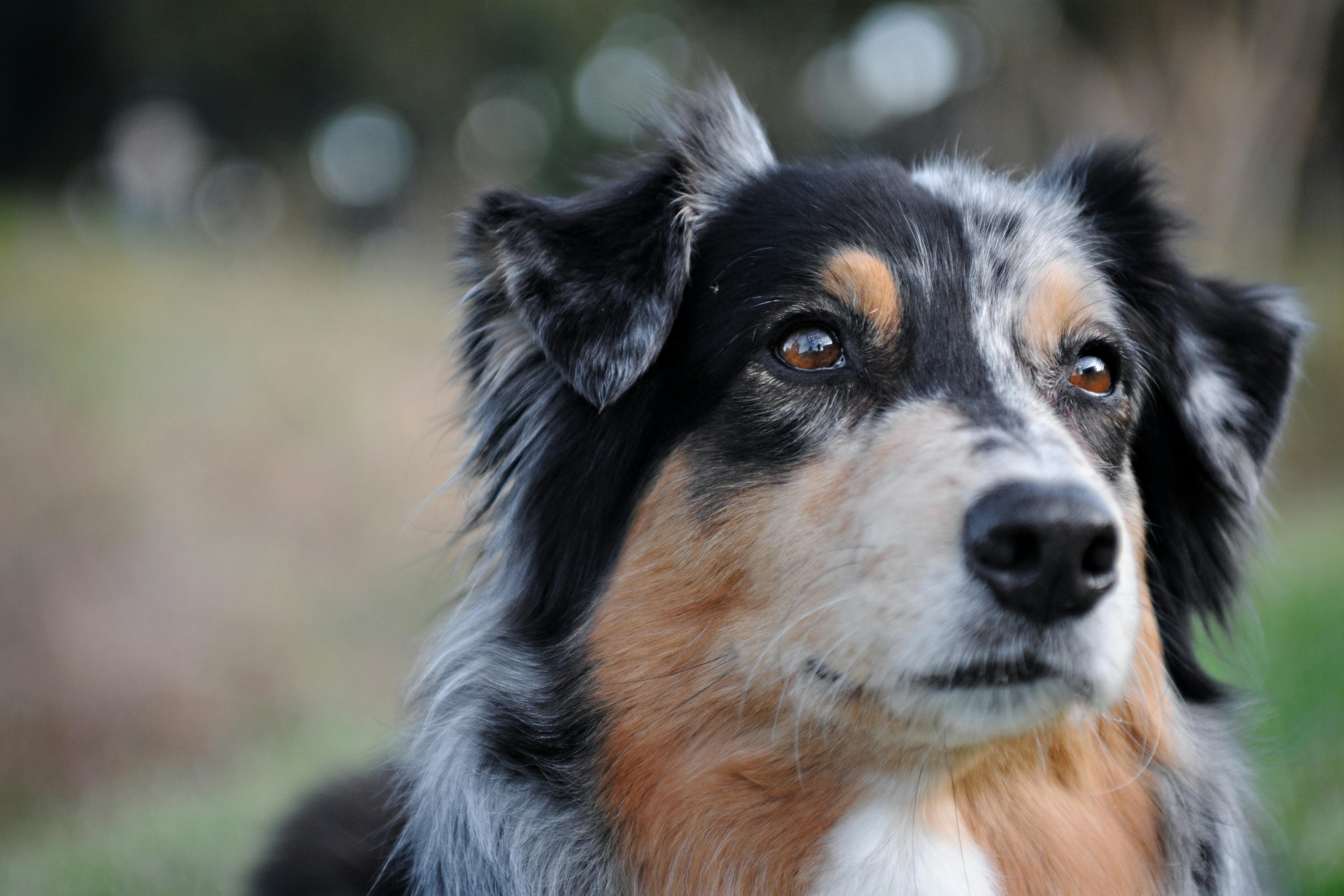
Check your Australian Shepherd\

Free Beagle weight calculator — check your Beagle\
Free bearded dragon weight calculator. Check if your bearded dragon is a healthy weight for their age. Includes weight-by-age chart from hatchling to adult, growth milestones, and care tips.