
Dog Calorie Calculator — Free Daily Calorie & Nutrition Tool by Breed
Free dog calorie calculator. How many calories does my dog need? Calculate your dog

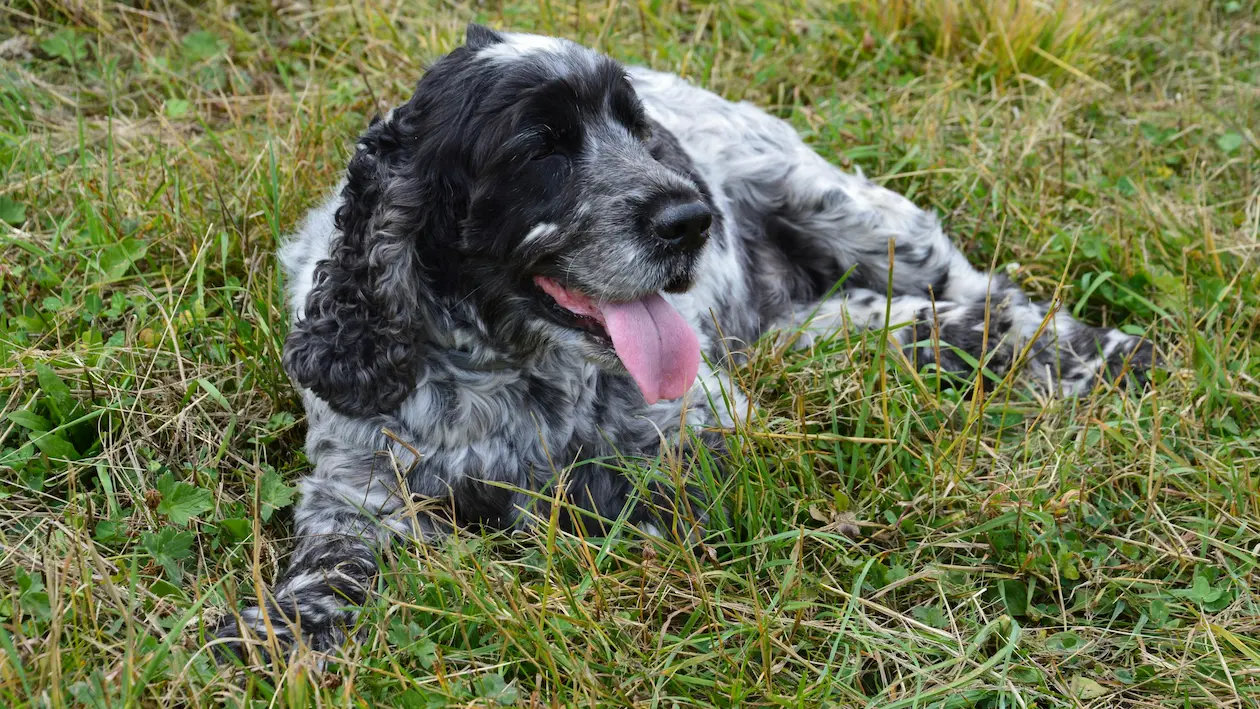
Enter your Cocker Spaniel's sex, age, and current weight to check if they are within the healthy weight range for their stage of life.
The American Cocker Spaniel is a compact, silky-coated sporting breed bred as a gun dog and companion. Males weigh 25–30 lbs and females 20–25 lbs per AKC standards. English Cocker Spaniels are slightly larger (males 28–34 lbs, females 26–32 lbs). Cocker Spaniels have a strong food drive and their dense silky coat hides early weight gain — regular rib-feel checks are essential. Chronic ear infections, autoimmune hemolytic anemia, and glaucoma are the breed's primary health concerns, all of which are worsened by excess body weight.
Cocker Spaniels have a reliable appetite and will eat whatever you put in front of them — which is both convenient and a risk. Overfeeding is the most common weight problem in the breed, and because their silky coat masks early weight gain, many owners don't notice until the dog is already over ideal. Measured, scheduled meals are essential — free-feeding a Cocker Spaniel leads to obesity.
Daily calorie needs vary significantly by age, size, and activity level. A rough guide for American Cocker Spaniels:
| Life Stage | Daily Calories | Dry Food (approx.) | Meals/Day |
|---|---|---|---|
| Puppy (8–16 wks) | 250–400 kcal | ¾ – 1 cup | 3–4 |
| Puppy (4–8 months) | 350–550 kcal | 1 – 1¼ cups | 3 |
| Puppy (8–12 months) | 450–650 kcal | 1¼ – 1½ cups | 2–3 |
| Adult (active, 20–30 lbs) | 500–700 kcal | 1 – 1½ cups | 2 |
| Adult (less active / neutered) | 420–580 kcal | ¾ – 1¼ cups | 2 |
| Senior (8+ years) | 380–520 kcal | ¾ – 1¼ cups | 2 |
Calorie counts assume ~380 kcal/cup dry food. Adjust based on your specific food's calorie density.
English Cocker Spaniels are 10–15% larger than American Cockers and need proportionally more food — budget for roughly 1¼–1¾ cups per day for an active adult. Working Cocker Spaniels doing full days of field work may need up to twice the standard adult ration.
Food allergies are common in Cocker Spaniels. Chronic itching, recurring ear infections, and digestive upset can all signal a food sensitivity rather than (or in addition to) environmental allergies. Chicken protein is the most common dietary trigger; a hydrolysed protein or novel protein food (fish, duck, venison) can make a dramatic difference. An elimination diet trial of 8–12 weeks is the gold standard for identifying food allergies — ask your vet to guide this process.
Treats should account for no more than 10% of daily calories. A 25 lb Cocker Spaniel burning 550 kcal/day has a treat budget of roughly 55 kcal — that's about 3–4 small training treats. Factor this into the daily total, not on top of it.
Portions are approximate for American Cocker Spaniels. Adjust based on your food's calorie density and your dog's body condition score. English Cockers need roughly 10–15% more.
The AKC recognises American and English Cocker Spaniels as separate breeds with distinct weight standards. Both are covered here.
| Breed | Male (lbs) | Male (kg) | Female (lbs) | Female (kg) |
|---|---|---|---|---|
| American Cocker Spaniel | 25–30 lbs | 11.3–13.6 kg | 20–25 lbs | 9.1–11.3 kg |
| English Cocker Spaniel | 28–34 lbs | 12.7–15.4 kg | 26–32 lbs | 11.8–14.5 kg |
The calculator above uses American Cocker Spaniel standards as the default. If you have an English Cocker Spaniel, expect your dog to fall 3–6 lbs heavier than the displayed ranges — this is normal for the breed. Working Cocker Spaniels (particularly English working lines) often run at the lower end of these ranges due to their leaner, more athletic build; this is appropriate and healthy for a working dog.
Note that the AKC standard does not set a weight requirement for American Cocker Spaniels — it specifies height (males 15 inches at the shoulder, females 14 inches) and states that weight should be proportionate to height. The 25–30 lb range reflects the typical healthy weight for a dog meeting those height standards. A structurally large male who meets the height standard at 32 lbs is not overweight; a dog who exceeds it due to fat accumulation is.
American Cocker Spaniels grow quickly in their first six months, then fill out more slowly through 12–14 months. English Cockers follow a similar trajectory but continue adding lean muscle through 18 months.
| Age | Male (lbs) | Female (lbs) | Milestone |
|---|---|---|---|
| 8 weeks | 3–5 | 2–4 | Ready for new home; begin socialisation |
| 3 months | 6–9 | 5–8 | Rapid growth; 3 meals/day |
| 4 months | 9–12 | 7–10 | Vaccinations typically complete; begin obedience |
| 5 months | 11–15 | 9–13 | At ~50% adult weight |
| 6 months | 14–19 | 11–16 | Growth rate slowing; consider 2 meals/day |
| 8 months | 17–22 | 14–19 | Adolescence; may test boundaries in training |
| 10 months | 20–25 | 16–21 | Near full height; still filling out |
| 12 months (1 year) | 22–27 | 18–23 | Transition to adult food; full height reached |
| 18 months | 24–29 | 19–24 | Mature weight; reduce food if gaining fat |
| Adult (2+ years) | 25–30 | 20–25 | AKC target range |
Transition from puppy to adult food at 12 months for American Cockers. If you're not sure whether your Cocker is on track, the calculator at the top of this page compares current weight to age-adjusted ranges.
American Cocker Spaniel growth chart based on AKC breed standards. English Cockers are 3–6 lbs heavier at each stage.
Cocker Spaniels have medium-length silky coats with feathering on the ears, chest, belly, and legs that easily hide early weight gain. Never judge body condition by looking alone — always run your hands over your dog. A Cocker at 30 lbs can look perfectly normal visually yet be significantly overweight for the breed.
Run your thumbs along the ribcage from behind the shoulder blades toward the hips. On an ideal-weight Cocker Spaniel you should feel each rib distinctly with light pressure. If you have to push to find them, your dog is carrying extra weight. Consult your vet for a personalised weight loss plan — even a 10% reduction in body weight can meaningfully improve joint health and energy.
A 10% reduction in body weight can meaningfully improve joint health and energy levels in an overweight Cocker Spaniel.
Cocker Spaniels have one of the most demanding coats in the medium-dog category. Their silky outer coat with heavy feathering on the ears, chest, belly, and legs mats quickly without consistent care — and the coat grows continuously, meaning professional trimming is not optional if you want your dog comfortable and tidy. Grooming is the single largest recurring cost of Cocker Spaniel ownership.
Brushing: Brush 3–4 times per week minimum, focusing on feathered areas where mats form first — behind the ears, in the armpits, and along the belly. Use a slicker brush for the body coat and a wide-tooth metal comb to work through feathering. If you find a mat, never pull through it — tease it apart from the tip toward the root with your fingers or a dematting comb. Severely matted coats require professional dematting or a complete clip-down, which can cost $100–$200.
Professional grooming: Most Cocker Spaniels need professional grooming every 6–8 weeks. A full groom — bath, blow-dry, scissor trim or clip, ear clean, nail trim — typically costs $75–$150 depending on your location and coat condition. Dogs brought in regularly are quicker (and cheaper) to groom; dogs with severe mats take longer. Annual grooming costs for a Cocker Spaniel with regular professional appointments typically run $600–$1,200.
Coat styles: The traditional "show cut" maintains full coat length with careful scissoring — beautiful but extremely high maintenance. Most pet owners choose a "puppy cut" (short, even length all over) or "sporting cut" (trimmed body, moderate feathering) for practicality. A puppy cut reduces brushing frequency to 2–3 times per week and makes assessing body condition easier.
Shedding: Cocker Spaniels shed moderately year-round with heavier shedding seasons in spring and autumn. Despite their reputation as a lower-shedding breed, they are not hypoallergenic and their silky hair is noticeable on furniture and clothing. Regular brushing reduces loose coat significantly.
Skin health: Cocker Spaniels are prone to seborrhoea (oily skin and scaling), particularly American Cockers. Signs include a greasy, waxy feel to the coat, a rancid odour even between baths, and flaking. A medicated shampoo designed for seborrhoeic skin, used every 2–4 weeks, is the standard management tool. If skin odour or oiliness is persistent, discuss it with your vet — it can be a sign of underlying thyroid disease or allergies rather than a grooming issue.
If you own a Cocker Spaniel long enough, you will almost certainly deal with ear infections. The breed's long, pendulous ears hang down over the ear canal, blocking airflow and creating a warm, moist environment where bacteria and yeast multiply rapidly. Studies consistently rank Cocker Spaniels among the top breeds for otitis externa (outer ear infection) prevalence — some surveys find that over 50% of Cocker Spaniels develop at least one ear infection per year.
Why Cockers are uniquely vulnerable: Three anatomical factors combine to make this breed prone to chronic ear disease. First, the ear flap (pinna) covers and warms the canal. Second, many Cockers have abnormally narrow ear canals with excessive hair growth inside — both of which restrict drainage. Third, skin allergies (very common in Cockers) cause inflammation in the ear canal lining that disrupts the normal barrier against infection. In allergic Cockers, ear infections are often a symptom of the allergy rather than a standalone problem.
Signs of an ear infection: Head shaking, scratching at one or both ears, brown/black discharge in the canal, a yeasty or foul odour, redness and swelling inside the ear flap, tilting the head, or flinching when the ear is touched. Chronic infections can progress to the middle ear and cause hearing loss, facial nerve damage, or (in severe cases) balance problems.
Prevention protocol: The most effective prevention combines three habits. Clean ears weekly with a vet-approved ear cleaner — squeeze the solution into the canal, massage the base of the ear for 30 seconds, then let the dog shake its head, and wipe the outer canal with a cotton ball. Never use cotton buds inside the canal. Dry the ears thoroughly after bathing or swimming — even brief water exposure can tip a predisposed Cocker into infection. Ask your groomer to trim hair from inside the ear canal at each appointment, which significantly improves airflow.
Treatment: Ear infections require veterinary treatment. Most resolve with a course of topical antibiotic or antifungal ear drops over 1–2 weeks. Chronic or recurrent infections (more than 2–3 per year) warrant investigation into the underlying cause — often allergies — and may require allergy management to break the cycle. Surgical widening of the ear canal (lateral ear resection) is a last resort for dogs with severe, recurrent disease that doesn't respond to medical management.
Tell your vet if your Cocker gets more than two ear infections per year. This pattern almost always indicates an underlying allergic disease that needs treatment — managing the allergy is more effective than repeatedly treating infections.
American and English Cocker Spaniels were the same dog until breeding diverged in the mid-20th century. Today they are recognised as distinct breeds with meaningfully different conformation, temperament, and health profiles. The differences matter more than many owners realise when choosing a dog.
| Characteristic | American Cocker Spaniel | English Cocker Spaniel |
|---|---|---|
| Adult weight (male) | 25–30 lbs (11–14 kg) | 28–34 lbs (13–15 kg) |
| Build | Compact, domed skull, very profuse coat | More athletic, longer muzzle, less exaggerated coat |
| Temperament | Gentle, sensitive, companion-focused | More energetic, stronger hunting drive, slightly more independent |
| Exercise needs | 30–45 min/day | 45–60 min/day; working lines need significantly more |
| Grooming demand | Very high (profuse coat, heavy feathering) | High (less coat volume than American) |
| Rage syndrome risk | Rare but documented (solid colours) | Very rare |
| Lifespan | 10–14 years | 12–14 years |
The Working Cocker Spaniel (an informal type rather than a separate AKC breed) refers to English Cockers from field trial or hunting lines. Working Cockers are noticeably leaner, more driven, and higher energy than their show-bred counterparts — they need 1–2 hours of vigorous daily exercise and are not well suited to sedentary households. Their ideal adult weight skews toward the lower end of the English Cocker range (26–30 lbs for males) due to their lean muscular build.
The most popular Cocker Spaniel mix is the Cockapoo (Cocker × Poodle), which typically weighs 12–25 lbs depending on whether a toy, miniature, or standard Poodle was used. See our full breed calculator list for more mixed breed sizing guidance. The Golden Cocker Retriever (Cocker × Golden Retriever) is another popular mix, typically reaching 30–45 lbs at maturity.
Adult weight ranges per AKC breed standards. The calculator above uses American Cocker Spaniel standards as default.
Cocker Spaniels are generally healthy, but the breed has a cluster of conditions with higher-than-average prevalence that every owner should be aware of. Understanding these early means catching problems sooner and making informed decisions about health screening and insurance.
Glaucoma and progressive retinal atrophy (PRA): Cocker Spaniels have elevated risk for both primary glaucoma (increased intraocular pressure that damages the optic nerve) and PRA (progressive degeneration of the retina leading to blindness). Glaucoma can be acutely painful and cause rapid vision loss — early signs include a bluish cloudiness to the eye, squinting, or visible discomfort. PRA is painless but progressive; night blindness is usually the first sign. Annual eye exams (CAER certification) are the gold standard for breeding stock and strongly recommended for all Cockers. Reputable breeders test for both conditions.
Autoimmune hemolytic anemia (AIHA): Cocker Spaniels are one of the most overrepresented breeds for AIHA, a condition where the immune system attacks red blood cells. Signs include sudden lethargy, pale or yellow-tinged gums, rapid breathing, and collapse. AIHA is a veterinary emergency — if you see these signs, get to a vet immediately. Treatment involves immunosuppressive medication; prognosis varies. Some Cockers have one episode and recover fully; others have recurring disease.
Hip dysplasia: Like many medium breeds, Cocker Spaniels can develop hip dysplasia — abnormal hip joint development that leads to arthritis. OFA data puts the breed's prevalence at approximately 5–10%. Maintaining a healthy weight throughout life is the single most effective non-surgical intervention for managing hip dysplasia symptoms and slowing progression.
Hypothyroidism: An underactive thyroid gland causes weight gain, lethargy, coat thinning, and skin problems. Cocker Spaniels are among the breeds with above-average hypothyroidism prevalence. It's readily diagnosed with a blood test and managed with daily medication. If your Cocker is gaining weight despite controlled food intake, ask your vet about thyroid testing.
Skin allergies: Environmental and food allergies manifest in Cocker Spaniels most commonly as itching (especially feet, belly, and ear canal), recurrent ear infections, and skin infections. Allergic skin disease is the most common reason Cockers develop chronic ear problems. Management ranges from monthly allergy injections (immunotherapy) to daily oral medication to dietary change.
Health screening to ask breeders for: OFA hip evaluation (Good/Excellent), CAER eye exam (current within 12 months), OFA thyroid evaluation, and a cardiac exam by a cardiologist. These are the health clearances recommended by the American Spaniel Club for breeding animals.
Discuss a weight management plan with your vet if your Cocker Spaniel is above the healthy range. Even a 10–15% reduction in body weight produces measurable health improvements.
Cocker Spaniels have a well-deserved reputation as cheerful, affectionate, and adaptable companions. They are among the more emotionally expressive dog breeds — they notice your mood, adjust to your energy, and will often press against you when you're upset in a way that feels deliberate. This emotional attunement is one of their best qualities and also their biggest vulnerability: Cocker Spaniels do not do well when routinely left alone for long periods and are prone to separation anxiety if not properly prepared for alone time from puppyhood.
The Cocker personality in practice: They are enthusiastic without being overwhelming (unlike, say, a Springer or a young Labrador), trainable without being borderline robotic (unlike Border Collies), and affectionate without being completely velcro (unlike Cavaliers). They sit in a pleasant middle ground. American Cockers are slightly more lap-dog in personality; English Cockers retain more of the spaniel's bird-dog energy and need a more active owner.
With children and other pets: Cocker Spaniels are gentle with children and typically excellent in multi-pet households. They have a moderate prey drive — most can live with cats if introduced correctly, though some individuals with strong hunting instinct may chase. With other dogs they are usually sociable and playful. Early socialisation (between 3 and 16 weeks) is critical for developing these good manners.
Sensitivity: Cocker Spaniels are among the more sensitive dog breeds — they do not respond well to harsh correction, raised voices, or punishment-based training. A dog that "shuts down," rolls over, or urinates submissively during training is telling you the approach is too hard. Soft, positive reinforcement training with high-value food rewards is almost always more effective and produces a more confident, stable dog.
Cocker Rage Syndrome: This rare neurological condition is primarily associated with solid-coloured American Cocker Spaniels (particularly golden/buff). Affected dogs exhibit sudden, unpredictable aggression seemingly without trigger, followed by apparent confusion. It is believed to have a genetic component. The condition is uncommon — the vast majority of Cockers are gentle and non-aggressive throughout their lives — but any sudden onset of unpredictable aggression in a Cocker Spaniel warrants prompt veterinary and neurological assessment.
American Cocker Spaniels typically live 10–14 years, with well-cared-for dogs commonly reaching 12–13 years. English Cocker Spaniels are slightly longer-lived on average, with many reaching 13–15 years. Maintaining a healthy weight is one of the most powerful things you can do to influence how long — and how well — your Cocker lives: research consistently shows that lean dogs live 1.8–2.5 years longer than their overweight littermates.
Cocker Spaniels are generally considered "senior" from around 8–9 years of age. The transition to senior life is gradual, but watch for these changes:
Metabolic slowdown: Senior Cockers need 20–30% fewer calories than their active adult counterparts. If you don't reduce food intake as your dog ages and slows down, weight creep is almost inevitable. Switching to a senior-specific food (lower calorie density, often with added joint support) at around 8–9 years helps manage this naturally.
Joint health: Arthritis, hip dysplasia, and soft tissue stiffness all become more common in older Cockers. Watch for reluctance to jump, stiffness after rest, slowing on walks, or difficulty using stairs. Joint supplements (glucosamine, chondroitin, omega-3 fatty acids from fish oil) have modest evidence of benefit and are low-risk to try. Keeping a senior Cocker lean is more effective than any supplement at managing arthritic pain.
Dental disease: By age 8, most Cocker Spaniels have some degree of periodontal disease. Signs include bad breath, yellow-brown tartar on back teeth, red gum lines, and reluctance to chew hard food. Annual dental cleanings under anaesthesia, combined with daily tooth brushing or dental chews, significantly slow progression. Untreated dental disease is painful and can contribute to heart, kidney, and liver disease over time.
Cognitive changes: Canine cognitive dysfunction (dog dementia) affects roughly 30% of dogs over 12 and over 60% by 15. Signs in Cockers include night-time restlessness, apparent confusion, loss of housetraining, changed sleep/wake patterns, and reduced engagement with people. A vet assessment can distinguish cognitive dysfunction from other treatable causes of behaviour change in older dogs.
Aim for veterinary check-ups every 6 months from age 8 onward. A senior bloodwork panel (including thyroid levels, kidney function, and liver enzymes) annually is valuable for catching subclinical disease early in a breed with multiple organ-system health risks.
Lifespan estimates based on Cocker Spaniel breed averages (10–14 yrs) adjusted using canine longevity data (Kealy et al., JAVMA 2002). Individual lifespan varies with genetics, preventive care, and environment.
American Cocker Spaniels need 30–45 minutes of moderate exercise per day. This can be two brisk walks, a walk plus a garden play session, or a combination of structured activity and free-roaming sniff time. They are adaptable dogs who can live comfortably in apartments or houses without gardens, provided their exercise needs are met consistently.
English Cocker Spaniels and especially working-line Cockers need considerably more — 45–60 minutes of vigorous exercise daily, and working dogs doing field work may need 1–2 hours. Undexercising a working Cocker leads to anxiety, destructive behaviour, and barking that is often misattributed to the breed's temperament rather than unmet need.
Cocker Spaniels are natural swimmers — most take to water enthusiastically and enjoy retrieving from water. Swimming is an excellent low-impact exercise option for older Cockers with joint problems. Remember to dry the ears thoroughly after every swim; wet ear canals are a significant infection risk in this breed.
Exercise and weight: An adult Cocker Spaniel on 30–45 minutes of daily exercise burns roughly 20–30% more calories than a sedentary dog. If your dog's activity level drops (illness, injury, winter months), reduce food intake proportionally to avoid weight gain. Conversely, if you are actively working to reduce your Cocker's weight, increasing exercise by 15–20 minutes per day combined with a 10–15% food reduction is the most effective and sustainable approach.
Recall training matters: Cocker Spaniels retain some scent-hound instinct and will pursue an interesting smell — reliable recall training is important before exercising off-lead in open areas. A dog with a strong recall gets significantly more exercise freedom and mental stimulation than one that can only be walked on lead.
Cocker Spaniels are one of the more versatile medium dogs — adaptable to apartments or houses, compatible with families and single owners, and manageable for first-time owners who are committed to consistent training and grooming. But they come with specific needs that not every household can meet.
Good fits for Cocker Spaniels: Families with children (especially over age 5 who understand how to interact with dogs), households with other dogs or cats introduced gradually, active singles or couples who can commit to daily walks, owners prepared for a significant grooming budget and schedule, and people who want an emotionally warm, responsive companion dog.
Less ideal situations: Households where the dog would be alone for 8+ hours daily (separation anxiety risk), owners who prefer a low-maintenance coat (Cocker grooming is genuinely demanding), people looking for a guard dog (Cockers are friendly with strangers and not territorial), and owners who want a very independent dog (Cockers bond closely and want company).
Apartment living: American Cocker Spaniels adapt well to apartment life provided they get their 30–45 minutes of daily exercise. They are not typically excessive barkers. The main challenge in apartments is the grooming — coat care requires space and regular professional appointments.
For seniors and first-time owners: American Cocker Spaniels are one of the better breed choices for older owners or first-time dog owners due to their manageable size, gentle temperament, and trainability. The main caveat is the grooming commitment — if you cannot manage frequent brushing and professional grooming costs, consider whether a lower-maintenance breed might be a better fit.
Cocker Spaniels sit in the medium cost range for initial purchase but can be expensive ongoing owners due to their grooming requirements and health predispositions.
| Cost Category | Typical Range | Notes |
|---|---|---|
| Puppy purchase | $800–$2,500 | Higher for health-tested show lines; rescue $200–$500 |
| Grooming (annual) | $600–$1,200 | Every 6–8 weeks at $75–$150/visit; the biggest ongoing cost |
| Routine vet care (annual) | $350–$600 | Exam, vaccines, heartworm/flea prevention, dental check |
| Ear treatments (annual) | $100–$400+ | $0 with prevention; higher if chronic infections develop |
| Food (annual) | $400–$700 | Higher if limited-ingredient food needed for allergies |
| Pet insurance (annual) | $400–$800 | Strongly recommended; AIHA treatment can run $3,000–$6,000+ |
| Typical annual total | $1,850–$3,700 | Excluding purchase price and major health events |
Pet insurance for a Cocker Spaniel is more than just peace of mind — it's financially significant. Glaucoma treatment and surgery can cost $2,000–$5,000 per eye. AIHA hospitalisation and treatment commonly runs $3,000–$8,000. A single emergency can exceed years of premiums. Enrol while your dog is a puppy to avoid pre-existing condition exclusions for the breed's known health risks.
| Characteristic | American Cocker Spaniel | English Cocker Spaniel |
|---|---|---|
| Adult weight — male | 25–30 lbs (11–14 kg) | 28–34 lbs (13–15 kg) |
| Adult weight — female | 20–25 lbs (9–11 kg) | 26–32 lbs (12–15 kg) |
| Fully grown by | 12–14 months | 14–18 months |
| Lifespan | 10–14 years | 12–14 years |
| Daily exercise | 30–45 min | 45–60 min (more for working lines) |
| Daily food (adult, dry) | 1 – 1½ cups | 1¼ – 1¾ cups |
| Grooming frequency | Brush 3–4×/week; groom professionally every 6–8 wks | Brush 2–3×/week; groom professionally every 8 wks |
| Ear cleaning | Weekly — non-negotiable for infection prevention | |
| #1 health concern | Chronic ear infections (otitis externa) | |
| Key health screens | OFA hips, CAER eyes, thyroid, cardiac eval | |
| Popular mixes | Cockapoo (12–25 lbs), Golden Cocker Retriever (30–45 lbs), Sprocker | |
Weight data from AKC breed standards. Feeding amounts are approximate — always adjust based on body condition score and your specific food's calorie density. Consult your veterinarian for personalised health guidance.
FAQs
Adult male American Cocker Spaniels should weigh 25–30 lbs (11.3–13.6 kg) and females 20–25 lbs (9.1–11.3 kg) per AKC breed standards. English Cocker Spaniels are slightly heavier: males 28–34 lbs (12.7–15.4 kg) and females 26–32 lbs (11.8–14.5 kg). Use the calculator above to check your dog against these ranges by age.
Yes — Cocker Spaniels have a strong food drive and can become overweight if free-fed or over-treated. Their dense silky coat also hides weight gain, making it easy to miss until the dog is significantly over ideal. Regular rib checks (feeling for ribs with light pressure) and waist-line checks from above are the best early-warning tools.
Cocker Spaniels do best on a complete and balanced dry or wet food specifically formulated for medium-breed dogs. Look for named protein (chicken, salmon, turkey) as the first ingredient. Some Cockers have food sensitivities, particularly to chicken or wheat — if you notice itching, ear issues, or loose stools, a limited-ingredient or novel-protein food may help. Avoid free-feeding; measure every meal.
Adult American Cocker Spaniels typically need 1–1.5 cups of dry food per day split across two meals, depending on activity level, food calorie density, and age. English Cockers are slightly larger and may need 1.25–1.75 cups. Always follow the specific food's feeding chart and adjust based on body condition — not just weight.
Cocker Spaniels shed moderately year-round, with heavier seasonal shedding in spring and autumn. Their silky, medium-length coat with feathering on the ears, chest, belly, and legs requires brushing 3–4 times per week to prevent matting. They are not hypoallergenic. Professional grooming every 6–8 weeks is standard for show-cut Cockers; pet owners often keep a shorter "puppy cut" to reduce maintenance.
Professional grooming every 6–8 weeks is recommended for most Cocker Spaniels to trim the coat, clean ears, clip nails, and maintain a tidy appearance. Between professional appointments, brush 3–4 times per week to prevent mats forming in the feathering areas. Ear cleaning should be done weekly to prevent the chronic infections this breed is prone to.
Cocker Spaniels' long, floppy ears cover the ear canal, restricting airflow and trapping moisture — creating a warm, humid environment where bacteria and yeast thrive. This makes chronic otitis (ear infection) the number one health issue in the breed. Weekly ear cleaning with a vet-recommended solution, thorough drying after bathing or swimming, and keeping ear canal hair trimmed all significantly reduce infection frequency.
The top health concerns in Cocker Spaniels are chronic ear infections (otitis), glaucoma and other eye conditions, hip dysplasia, autoimmune hemolytic anemia (AIHA), and progressive retinal atrophy (PRA). Skin allergies and hypothyroidism are also more common in this breed than average. Regular health screening, including eye exams (CAER) and hip evaluations (OFA), is recommended before purchasing from a breeder.
American Cocker Spaniels typically live 10–14 years, with a median around 11–12 years. English Cocker Spaniels tend to live slightly longer, averaging 12–14 years. Maintaining a healthy weight, preventing chronic ear infections, and regular veterinary monitoring of eyes and heart all contribute significantly to longevity.
Though both descend from the same spaniel lineage, American and English Cocker Spaniels are now recognized as separate breeds. American Cockers are smaller (20–30 lbs), have a more domed skull, more profuse coat, and were bred primarily as show and companion dogs. English Cockers are larger (26–34 lbs), have a longer muzzle, more athletic build, and retain stronger hunting instincts. English Cockers are less likely to develop "Cocker rage syndrome" and generally have fewer coat-maintenance demands.
Yes — Cocker Spaniels are affectionate, gentle, and typically excellent with children and other pets when properly socialized. They bond deeply with their families and dislike being left alone for long periods. Their eager-to-please nature makes training rewarding, though they can be sensitive to harsh correction. They thrive with calm, consistent, positive reinforcement training.
Cocker Spaniels are generally easy to train due to their eager-to-please temperament and intelligence. They respond well to positive reinforcement and are one of the more trainable spaniel breeds. However, they can be easily distracted by scent and can become anxious or shut down if training is harsh. Patience and consistency are more effective than repetition or correction-based methods.
Cocker Spaniels are moderately vocal. They will bark to alert you to visitors or unusual activity but are not typically incessant barkers. Separation anxiety can cause excessive barking if the dog is left alone frequently. Early socialization, crate training, and gradually increasing alone time helps prevent anxiety-related barking.
Yes — Cocker Spaniels were originally bred as gun dogs for hunting in both land and water, and most enjoy swimming. However, their heavy, water-absorbing coat and floppy ears make thorough drying essential after any water activity. Skipping post-swim ear drying significantly increases the risk of ear infections.
American Cocker Spaniels typically reach their full height by 9–10 months and their full adult weight by 12–14 months. English Cocker Spaniels may continue filling out slightly until 18 months. Both are considered fully mature (physically and behaviourally) around 2 years of age.
Cocker Spaniels need 30–60 minutes of exercise per day. They are energetic and love walking, sniffing, and playing, but they are adaptable enough for apartment living if their exercise needs are met consistently. Working Cocker Spaniels have significantly higher exercise demands than show or companion-line dogs — sometimes needing 1–2 hours of vigorous activity per day.
Cocker Rage Syndrome (also called sudden onset aggression) is a rare neurological condition primarily associated with solid-coloured American Cocker Spaniels, particularly golden/buff individuals. Affected dogs exhibit sudden, unpredictable aggressive outbursts often followed by apparent disorientation and return to normal. It is believed to have a genetic basis. The condition is uncommon — most Cocker Spaniels are gentle and non-aggressive — but it should be ruled out (with neurological examination) in any Cocker showing sudden-onset aggression.
Beyond the purchase price ($800–$2,500 for a puppy from a reputable breeder), annual Cocker Spaniel ownership costs typically run $1,500–$3,000. Budget for grooming ($600–$1,200/year at $75–$150 per visit every 6–8 weeks), routine vet care ($300–$500/year), food ($400–$700/year), and ear care supplies. Pet insurance is strongly recommended given the breed's ear, eye, and autoimmune health risks.
Autoimmune hemolytic anemia (AIHA) is a condition in which the immune system mistakenly attacks and destroys red blood cells, leading to anemia. Cocker Spaniels are one of the breeds with elevated AIHA prevalence. Signs include pale gums, lethargy, rapid breathing, and yellow tinge to the skin or eyes (jaundice). AIHA requires urgent veterinary treatment and can be life-threatening — any sudden collapse or unusual lethargy warrants immediate veterinary attention.
Free dog calorie calculator. How many calories does my dog need? Calculate your dog

Free puppy calorie calculator and nutrition tool. Calculate your puppy\

Free senior dog calorie calculator and nutrition tool. Calculate your senior dog\
Check your Australian Shepherd\

Free Beagle weight calculator — check your Beagle\
Free bearded dragon weight calculator. Check if your bearded dragon is a healthy weight for their age. Includes weight-by-age chart from hatchling to adult, growth milestones, and care tips.