Dog Calorie Calculator — Free Daily Calorie & Nutrition Tool by Breed
Free dog calorie calculator. How many calories does my dog need? Calculate your dog
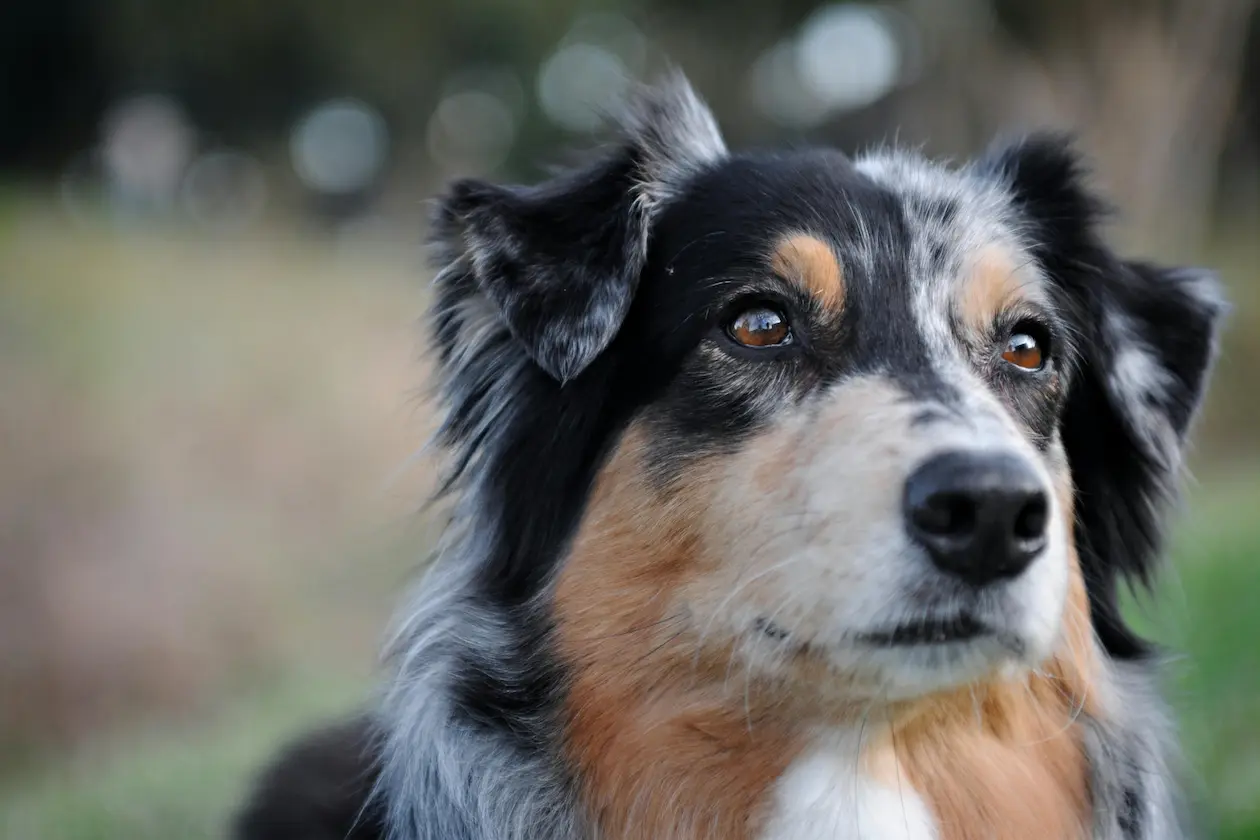
Enter your Australian Shepherd's sex, age, and current weight to check if they are within the healthy weight range for their stage of life.
Australian Shepherds are highly intelligent, high-energy herding dogs bred to make independent decisions while managing livestock. They are loyal, athletic, and deeply engaged with their families — but require significant daily exercise and mental stimulation to stay balanced. Working-line Aussies often run leaner than show-type dogs at the same height.
When people search for "mini Australian Shepherd," they're often surprised to learn there are actually three distinct size categories — and that the AKC and the general public don't always use the same terminology. Here's what the sizes actually mean:
| Size | AKC Name | Male Weight | Female Weight | Height |
|---|---|---|---|---|
| Standard Aussie | Australian Shepherd | 50–65 lbs (23–29 kg) | 40–55 lbs (18–25 kg) | 18–23 inches |
| Mini Aussie | Miniature American Shepherd | 20–40 lbs (9–18 kg) | 15–35 lbs (7–16 kg) | 13–18 inches |
| Toy Aussie | Not AKC-recognized | 12–17 lbs (5–8 kg) | 10–14 lbs (4.5–6 kg) | Under 14 inches |
The naming confusion: The "Mini Australian Shepherd" name was used widely before the AKC recognized the Miniature American Shepherd in 2015. Most breeders and pet owners still use "Mini Aussie" — they're the same dog. The Toy Australian Shepherd is not an officially recognized AKC breed but exists as a further size reduction, sometimes achieved through selective breeding with smaller dogs.
Same brain, smaller body: All three sizes share the same herding-driven intelligence and high-energy temperament. A Toy Aussie at 14 lbs still needs the same mental stimulation and exercise commitment as a standard 60-lb Aussie. Buyers who choose mini or toy sizes expecting a calmer, lower-maintenance dog are often surprised. The size reduction applies to the body — not the drive.
The weight calculator above uses standard Australian Shepherd data. Mini and Toy Aussie owners should use the size-specific ranges in the table above as their reference.
Australian Shepherd puppies are born alert and start developing their herding instincts early — some show eye contact and stalking behavior toward littermates by 6–8 weeks. By 8–10 weeks, they're ready to go to their new home, typically weighing 6–9 lbs for males and 5–7 lbs for females.
What to ask a reputable breeder: OFA hip and elbow certifications for both parents, CAER (Canine Eye Registry Foundation) eye clearances, MDR1 genetic testing results, and whether the litter has been checked for congenital deafness (particularly important in merle-to-merle litters). Avoid breeders who don't perform or can't provide these health clearances — Aussies have several heritable conditions that good breeders screen for.
Month-by-month milestones:
Puppy feeding: Feed three times daily until 6 months, then twice daily. Puppy-specific food formulated for medium breeds ensures appropriate calcium-to-phosphorus ratios for bone development. Avoid overfeeding — extra weight during puppyhood stresses joints during critical growth phases.
Australian Shepherds grow rapidly in their first 6 months, then slow as they approach adult height. Most reach full height by 12–14 months, with muscle filling in through 18–24 months. Males are consistently heavier and taller than females throughout growth.
| Age | Male (lbs) | Female (lbs) | Male (kg) | Female (kg) |
|---|---|---|---|---|
| 8 weeks | 6–9 | 5–7 | 2.7–4.1 | 2.3–3.2 |
| 3 months | 14–20 | 10–16 | 6.4–9.1 | 4.5–7.3 |
| 4 months | 18–26 | 14–21 | 8.2–11.8 | 6.4–9.5 |
| 5 months | 24–32 | 18–26 | 10.9–14.5 | 8.2–11.8 |
| 6 months | 30–40 | 22–32 | 13.6–18.1 | 10.0–14.5 |
| 8 months | 38–50 | 28–40 | 17.2–22.7 | 12.7–18.1 |
| 10 months | 44–57 | 33–46 | 20.0–25.9 | 15.0–20.9 |
| 12 months | 46–60 | 36–50 | 20.9–27.2 | 16.3–22.7 |
| 18 months | 48–63 | 38–52 | 21.8–28.6 | 17.2–23.6 |
| Adult (2+ yrs) | 50–65 | 40–55 | 22.7–29.5 | 18.1–25.0 |
Australian Shepherd weight by age. Shaded bands show the healthy min–max range. Source: AKC breed standards.
Working-line Australian Shepherds — bred for active herding work rather than conformation shows — often run 10–15% leaner than these ranges while still being perfectly healthy. A lean, muscular working Aussie at 48 lbs may have better body condition than a show-type Aussie at 62 lbs who is carrying excess fat.
Australian Shepherds shed — a lot. Their medium-length double coat (a dense undercoat beneath a water-resistant outer coat) sheds year-round and blows out heavily in spring and fall. There is no way around this. If shedding is a dealbreaker, an Aussie is not the right breed.
Grooming routine that works:
Should you shave an Australian Shepherd? No. Shaving a double-coated breed does not keep them cooler — it removes their natural insulation from both heat and cold, disrupts the undercoat's growth cycle, and can cause "coat funk" (patchy, incorrect regrowth). Trimming around the ears, paws, and sanitary areas is fine. Full body shaving is not recommended by professional groomers or veterinarians for this breed.
Coat and skin health connection to weight: Aussies with adequate omega-3 fatty acids in their diet (from fish oil or food rich in EPA/DHA) have noticeably healthier coats with less excessive shedding. Overweight Aussies often have dull, dry coats due to reduced circulation and elevated inflammation — maintaining a healthy weight directly supports coat quality.
Australian Shepherds are generally a healthy, robust breed — but several heritable conditions are prevalent enough that every owner should know about them before adopting or purchasing.
Hip Dysplasia: Affects approximately 12% of Australian Shepherds per OFA (Orthopedic Foundation for Animals) data. Hip dysplasia causes the hip joint to develop abnormally, leading to arthritis and pain. Weight management is one of the most impactful interventions: every excess pound increases compressive force on already-compromised joints. Signs include reluctance to exercise, difficulty rising, and a "bunny hopping" rear gait. Reputable breeders OFA-test breeding pairs before mating.
Epilepsy and Seizure Disorders: Australian Shepherds have above-average rates of idiopathic epilepsy (seizures with no identifiable cause). Seizures typically first appear between 1–5 years of age. If your Aussie has a seizure lasting more than 5 minutes (status epilepticus) or has more than two seizures in 24 hours, this is a veterinary emergency. Most epileptic Aussies live normal lives on anticonvulsant medication.
Progressive Retinal Atrophy (PRA) & Collie Eye Anomaly (CEA): Both are inherited eye conditions. CEA is a developmental defect present from birth, ranging from mild (no vision impact) to severe (retinal detachment and blindness). PRA causes gradual vision loss typically appearing in middle age. CAER eye exams through a veterinary ophthalmologist can detect both. Breeders should provide annual CAER clearances for breeding stock.
Cancer: Like many medium-to-large breeds, Aussies have elevated cancer rates compared to smaller dogs. Hemangiosarcoma and lymphoma are among the more commonly reported cancers. Annual wellness exams after age 6–7, prompt investigation of any lumps, and maintaining a healthy weight (which reduces chronic inflammation) are the best preventive approaches available.
Osteochondritis Dissecans (OCD): A joint condition affecting the shoulder, elbow, or hock, particularly in rapidly growing puppies. Overfeeding puppies causes excessive growth rate that stresses joints before cartilage is ready. Keeping puppies lean and avoiding calcium supplementation in puppies already eating complete food prevents most cases.
The MDR1 mutation (also called the ABCB1 mutation) is one of the most important breed-specific facts every Australian Shepherd owner needs to know. It affects how the body metabolizes certain drugs — and getting it wrong can be fatal.
What is MDR1? The MDR1 gene encodes P-glycoprotein, a pump in the blood-brain barrier that expels certain drugs before they reach toxic concentrations in the brain. Dogs with the MDR1 mutation have a defective or absent pump. At standard doses, affected drugs cross the blood-brain barrier and cause severe neurological toxicity — tremors, seizures, coma, or death.
How common is it? Research from Washington State University estimates that approximately 50% of Australian Shepherds carry at least one copy of the MDR1 mutation, and about 25% are homozygous (two copies, meaning fully affected with no functional P-glycoprotein). Collies, Shelties, and several other herding breeds are also affected.
Drugs to use with caution or avoid:
What to do: Test your Aussie for the MDR1 mutation. Washington State University's Veterinary Clinical Pharmacology Lab offers a cheek-swab test for around $70. Once you know your dog's status, inform every vet, groomer, and emergency clinic you visit. Write it on your dog's medical records. The phrase "MDR1 mutation — check drug sensitivities before prescribing" is what your vet needs to see.
Mini Australian Shepherds and Toy Aussies are affected at similar rates to standard Aussies. This is not a size-related trait — it's genetic, and all lines should be tested.
The merle coat pattern — patches of diluted color on a darker base — is one of the Australian Shepherd's most recognizable traits. Blue merle and red merle Aussies are among the most sought-after color patterns. But the merle gene comes with significant health considerations that prospective buyers must understand.
Single merle (Mm): A dog with one copy of the merle gene. These dogs express the merle pattern normally and typically have no merle-associated health issues. Most blue merle and red merle Aussies you see are single merles.
Double merle (MM) — the serious concern: When two merle dogs are bred together, statistically 25% of the resulting puppies will be double merle (homozygous merle). These puppies inherit two copies of the merle gene, which causes excessive dilution of pigmentation in the eyes, ears, and skin. The consequences are severe:
Responsible breeding: Reputable Aussie breeders do not breed merle-to-merle. If a breeder is offering mostly white Aussie puppies or cannot explain their breeding pairing, consider it a red flag. Rescues frequently see double merle Aussies surrendered because of unmanaged disabilities.
Owning a deaf or visually impaired Aussie is absolutely possible — they adapt remarkably well with patient owners who use hand signals, vibrating collars, and tactile communication. But the choice should be informed, not accidental.
Australian Shepherds live an average of 12–15 years, with many reaching 14–15 years with good care. Mini Australian Shepherds often live slightly longer — 13–15 years — consistent with the trend of smaller dogs outliving larger ones. This makes the Aussie a long-term commitment; a puppy adopted today may still be with you in 2040.
Weight and lifespan: Research consistently shows that maintaining a lean body condition extends a dog's life. A landmark Purina study found that dogs kept lean (a body condition score of 4–5 on a 9-point scale) lived an average of 1.8 years longer than overweight littermates. For an Aussie, that's potentially an extra year or more.
When is an Australian Shepherd a "senior"? Most vets begin considering medium-breed dogs senior at 7–8 years. For Aussies, age-related changes to watch for from 7 years onward include:
Senior Aussie care: Switch to a senior-formula food at 8–9 years to adjust calorie density (activity usually declines). Add omega-3 fish oil and glucosamine/chondroitin for joint support. Schedule biannual vet visits instead of annual — problems caught early are far more treatable. Continue exercise, but adjust intensity: a 20-minute off-leash sniff walk may be more appropriate than a 5-mile run for a 12-year-old Aussie.
Lean Australian Shepherds live approximately 1.8 years longer than overweight dogs. Source: Purina Life Span Study (Kealy et al., JAVMA 2002).
Australian Shepherds are ranked among the top 10 most intelligent dog breeds by most assessments — and they are exactly as challenging and rewarding as that implies. They were bred to make independent decisions while managing sheep across vast terrain, without constant direction from a human. That independence is still very much present in modern Aussies.
The herding instinct: Aussies herd. This is not a trainable-out behavior — it's genetic. They will herd children (circling, nipping at heels), herd other pets (including cats), and attempt to control movement generally. Management and redirection are more realistic goals than elimination. Families with small children should be prepared for this and commit to consistent training that channels the instinct appropriately.
Loyalty and velcro behavior: Aussies bond intensely with their primary person or family. Many are described as "velcro dogs" — following their people from room to room. This makes them exceptional companions but also predisposes them to separation anxiety. Crating from puppyhood and gradual alone-time training prevent the worst outcomes.
Are Australian Shepherds smart? Yes — but "smart" in an Aussie means they will outsmart you if you're not consistent. They learn commands in as few as 5 repetitions and remember them for life. They also learn bad habits just as quickly. Owners who find themselves "negotiating" with their dog or making exceptions frequently will find the Aussie has rewritten the rules in its favor.
Energy level — the honest picture: Standard Aussies need 1–2 hours of vigorous exercise daily — not a leisurely stroll, but running, fetch, swimming, agility, or off-leash play. An under-exercised Aussie will bark excessively, dig, chew, pace, and find increasingly creative ways to release energy. Mini Aussies need 45–60 minutes of vigorous daily activity. This is a non-negotiable aspect of ownership.
Are Australian Shepherds protective? They can be reserved or watchful with strangers, which some owners describe as protective. True aggression is uncommon in well-socialized Aussies — but proper socialization during puppyhood is essential. Aussies that are not exposed broadly to different people and situations in the first 12–16 weeks can develop excessive wariness or reactivity.
AKC breed standard weight ranges for the standard Australian Shepherd are 50–65 lbs for males and 40–55 lbs for females. However, working-line and field-type Aussies are frequently healthy at 5–10% below these ranges due to their leaner, more muscular build. Use body condition scoring — not just scale weight — as your primary guide.
The challenge with double-coated breeds: You cannot assess an Australian Shepherd's body condition by looking alone. The thick double coat conceals the ribcage and waist. Always part the fur and use your hands to assess.
Always part the double coat before assessing — Aussie fur hides weight changes. Use hands, not eyes, to feel the ribcage.
"Australian shepherd dog food" generates over 40,000 monthly searches — because Aussie owners quickly realize that getting the diet right matters a great deal for this active, high-energy breed. Here's what actually matters.
Calorie needs by life stage and activity:
| Stage / Activity | Male (kcal/day) | Female (kcal/day) |
|---|---|---|
| Puppy (4–6 months) | 1,100–1,400 | 900–1,200 |
| Active adult (typical pet) | 1,400–1,800 | 1,100–1,500 |
| Working / sport dog | 1,800–2,400+ | 1,500–2,000+ |
| Spayed / neutered adult | 1,200–1,550 | 950–1,300 |
| Senior (7+ years) | 1,100–1,400 | 900–1,200 |
What to look for in food: Real animal protein (chicken, lamb, fish, beef) should be the first ingredient. For Aussies with sensitive stomachs or skin allergies, single-protein limited-ingredient diets can help identify triggers. Omega-3 supplementation (fish oil: 1,000 mg per 20 lbs of body weight daily) noticeably improves coat quality and reduces shedding. Glucosamine and chondroitin in food or as a supplement supports the joint health of a breed prone to hip dysplasia.
Food allergies in Australian Shepherds: Skin allergies (itching, paw licking, ear infections) are relatively common in the breed. Common triggers include chicken, beef, wheat, and dairy. If your Aussie is constantly scratching or has recurring ear infections despite good grooming, a food elimination trial with a novel protein (rabbit, venison, duck) is worth discussing with your vet.
Daily calorie estimates for a standard male Australian Shepherd (~57 lbs). Use a kitchen scale and weigh kibble — "cup" measurements vary significantly by food density.
Australian Shepherds are genuinely among the most trainable dogs — they learn quickly, retain commands long-term, and seem to enjoy the engagement. But their intelligence cuts both ways: they also learn what you don't intend to teach, and they require mental stimulation as much as physical exercise.
Training approach that works: Positive reinforcement with short, varied sessions (10–15 minutes) is far more effective than long, repetitive drills. Aussies get bored with the same routine and may start offering their own creative variations when drills become predictable. Vary the rewards, vary the environment, vary the commands.
Recall is non-negotiable: Aussies have a herding drive that can override their training around moving targets — cyclists, joggers, wildlife, other dogs. A solid, proofed recall (coming when called under distraction) should be considered a safety essential, not just a nice-to-have. Train it in increasingly distracting environments and reinforce it heavily — never punish a dog for eventually coming even if they were slow.
Managing herding behavior: You cannot eliminate herding instinct, but you can redirect it. Teach a "place" command (go to a mat and stay) to interrupt herding behavior. Provide appropriate outlets — herding classes exist in most areas, as do treibball (urban herding with balls) and other sports that satisfy the drive. An Aussie with an appropriate herding outlet is markedly calmer in the household.
Are Australian Shepherds easy to potty train? Yes — they are typically among the easiest breeds to house train due to their intelligence and desire to please. Crate training from day one, consistent scheduling (out immediately after eating, sleeping, and play), and praise-based reinforcement produce reliable results in 4–8 weeks for most puppies.
The Australian Shepherd and Border Collie are the two most popular herding breeds and are frequently compared by prospective owners. They share a great deal — but the differences matter if you're choosing between them.
| Trait | Australian Shepherd | Border Collie |
|---|---|---|
| Adult weight (male) | 50–65 lbs | 30–55 lbs |
| Intelligence | Extremely high | Considered #1 in working intelligence |
| Energy level | Very high | Extremely high / obsessive |
| Family-friendliness | Very good with children | Can be intense with children |
| Herding intensity | Strong | Obsessive — eye/stalk style |
| Trainability | Excellent | Excellent — quicker |
| Suitable for novice owners | Possible with commitment | Not recommended |
| MDR1 gene concern | ~50% affected | ~10–15% affected |
| Lifespan | 12–15 years | 12–15 years |
The Australian Shepherd is typically the better choice for families with children or first-time working-breed owners. The Border Collie's obsessive drive and need for a "job" makes it genuinely demanding in a way that the slightly more adaptable Aussie is not. Both are exceptional dogs — but the Border Collie is less forgiving of under-stimulation.
Looking for a Border Collie weight calculator? We have one with full breed-specific data.
Australian Shepherds come in four base colors recognized by the AKC, each occurring with or without white markings and copper (tan) points:
The "tricolor" designation (black tri, red tri) means the dog has three colors: the base color, white, and copper. "Bi" means the base color plus white only, without copper points.
Color does not affect temperament, health (with the double merle exception noted above), or weight. If a breeder is charging significantly more for "rare" colors without other differentiating factors (health testing, championship lines, working titles), approach with caution.
The purchase price is only a fraction of what you'll spend on an Australian Shepherd over their lifetime. Here's the honest financial picture:
Initial costs: Reputable breeders typically charge $600–$1,800 for standard Aussies. Mini Australian Shepherds from quality breeders run $1,000–$2,500. Rescue and adoption fees are $50–$400. First-year setup costs (crate, bedding, food, initial vet visits, vaccinations, microchip, spay/neuter) typically add $1,000–$2,500.
Annual ongoing costs: Food for an active 55-lb Aussie runs $600–$900/year. Annual vet wellness exams are $200–$400. Pet insurance for an Aussie costs $40–$80/month ($480–$960/year) — strongly recommended given the breed's potential health expenses. Grooming supplies or professional grooming adds $300–$600/year.
Health costs to budget for: Hip dysplasia treatment (surgical) runs $3,500–$7,000 per hip. Epilepsy management (medication, monitoring) costs $500–$2,000/year ongoing. MDR1-related drug reactions requiring hospitalization can cost $2,000–$5,000+. Pet insurance that covers hereditary conditions is worth considering for this breed specifically.
Rescue: Australian Shepherd rescue organizations exist in most regions. Aussie rescue dogs are frequently young adults (1–4 years) surrendered by families who underestimated the breed's needs. Rescue is an excellent option — rescue organizations often provide health screening, temperament assessment, and sometimes basic training. Search "Australian Shepherd rescue near me" or contact the Australian Shepherd Club of America for regional rescue contacts.
Australian Shepherds are adaptable to a wider range of living situations than their reputation suggests — but their exercise and stimulation needs are non-negotiable regardless of where you live.
Apartments: Possible, but demanding. Without a yard, you are personally responsible for providing 1–2 hours of vigorous exercise daily — no exceptions. Aussies in apartments without this commitment become anxious, vocal, and destructive. They can succeed in apartments with marathon-runner-level owners who work from home or have flexible schedules.
Families with children: Aussies are generally excellent family dogs when raised with children and properly socialized. The herding instinct toward small children (nipping heels, circling) requires management and training, but rarely escalates to aggression in well-bred, well-socialized dogs. Teach children to interact calmly rather than running and screaming — fast movement activates the herding drive.
Cold and heat tolerance: Australian Shepherds handle cold weather very well — their double coat was designed for working outdoors in variable conditions. They are not well-suited to sustained extreme heat without access to shade, water, and air conditioning. Unlike brachycephalic breeds, they can regulate temperature reasonably well, but should not be exercised heavily in temperatures above 85°F (29°C).
Alone time: Aussies tolerate being alone for 4–6 hours reasonably well if well-exercised before being left. More than 8 hours alone regularly leads to separation anxiety in most individuals. Dog walkers, doggy daycare, or a compatible dog companion can help for owners with long work days.
Standard Australian Shepherds need 60–120 minutes of vigorous exercise per day. This is not a range where 30 minutes works most days — it's the baseline for a healthy, well-adjusted adult Aussie. Mini Aussies need 45–90 minutes. Toy Aussies need 30–60 minutes, but still need it to be vigorous, not just a walk.
Best exercise options for Aussies:
Mental exercise matters as much as physical: A tired Aussie brain is a calm Aussie. Puzzle feeders, nose work, training sessions, and interactive toys all contribute to the daily stimulation budget. An Aussie that gets 90 minutes of fetch but no mental engagement may still be restless — one that gets 45 minutes of hard running plus 20 minutes of training is often more settled.
Research published in Frontiers in Veterinary Science (UC Davis, 2020) examined spay/neuter timing across breeds and found that for Australian Shepherds, early spay/neuter (before 12 months) significantly increased the risk of joint disorders — including hip dysplasia and cranial cruciate ligament tears. The study recommended waiting until 12–18 months for most Aussies to allow full hormonal development that supports skeletal maturity.
Discuss timing with your veterinarian based on your individual dog's growth rate and health history. For males that are difficult to manage around intact females, or for females at high pregnancy risk, earlier procedures may be warranted — but the trade-off in joint health risk should be part of the conversation.
Weight changes after spay/neuter: Hormonal changes following the procedure reduce metabolic rate by approximately 20–30%. Many Aussies gain weight in the 6–12 months post-procedure if food intake isn't adjusted. Reduce daily calories by 15–20% after spaying or neutering, and monitor body condition closely every 2–3 weeks for the first 6 months.
| Adult weight (male) | 50–65 lbs (22.7–29.5 kg) |
| Adult weight (female) | 40–55 lbs (18.1–25 kg) |
| Mini Aussie weight (male) | 20–40 lbs (9–18 kg) |
| Mini Aussie weight (female) | 15–35 lbs (7–16 kg) |
| Toy Aussie weight | 10–17 lbs (4.5–7.7 kg) |
| Fully grown by | 12–14 months height; fills out to 18–24 months |
| Lifespan | 12–15 years (Mini Aussie: 13–15 years) |
| Daily exercise needed | 60–120 minutes vigorous (standard); 45–90 min (mini) |
| Calories/day (active adult male) | 1,400–1,800 kcal |
| MDR1 mutation prevalence | ~50% carry at least one copy — test before medicating |
| Hip dysplasia prevalence | ~12% per OFA data |
| Shedding level | Heavy year-round; extreme in spring & autumn |
| Spay/neuter timing | 12–18 months recommended (UC Davis 2020 study) |
| Purchase price | $600–$1,800 standard; $1,000–$2,500 mini |
FAQs
Adult male Australian Shepherds typically weigh 50–65 lbs (22.7–29.5 kg). Females weigh 40–55 lbs (18.1–25 kg). Mini Australian Shepherds run 20–40 lbs for males and 15–35 lbs for females. Toy Aussies typically weigh 12–17 lbs. Working-line Aussies are often leaner and at the lower end of these ranges.
Australian Shepherds reach their full height by around 12–14 months, but continue to fill out and develop muscle mass until 18–24 months. Mini Aussies mature slightly faster, reaching full size by 12–18 months. Most vets consider the breed "adult" at 12 months for feeding and spay/neuter decisions.
Mini Australian Shepherds (also called Miniature American Shepherds by the AKC) typically grow to 13–18 inches tall and weigh 20–40 lbs for males, 15–35 lbs for females. Toy Aussies are smaller still at under 14 inches and 12–17 lbs. Despite the smaller size, they have the same high-energy, high-drive temperament as standard Aussies.
Yes — Australian Shepherds are heavy shedders year-round, with two major blow-outs in spring and autumn when they shed their undercoat. Daily brushing during shedding season and 2–3 times per week otherwise will significantly reduce loose hair. No amount of grooming eliminates shedding entirely — Aussies are not a low-shedding breed.
The MDR1 (ABCB1) gene mutation causes drug sensitivity in Australian Shepherds. Affected dogs cannot metabolize certain medications normally, leading to toxicity at doses that are safe for other breeds. Common drugs to avoid or dose carefully include ivermectin, loperamide (Imodium), and certain chemotherapy agents. Approximately 50% of Aussies carry at least one copy of the mutation. Ask your vet about MDR1 testing before any medication is prescribed.
The average Australian Shepherd lifespan is 12–15 years, making them a relatively long-lived medium-large breed. Mini Australian Shepherds often live 13–15 years. Maintaining a healthy weight, regular vet checkups, appropriate exercise, and MDR1-aware veterinary care all contribute to a longer, healthier life.
Australian Shepherds consistently rank among the most intelligent dog breeds. They were bred to make independent decisions while herding livestock, which means they are highly capable — but also capable of outsmarting inexperienced owners. This intelligence means they need mental stimulation as much as physical exercise; a bored Aussie will find its own entertainment, usually destructive.
Yes, with the right family. Aussies are loyal, affectionate, and playful with children they're raised with. However, their herding instinct can kick in around small children — nipping at heels and circling to "control" movement. Early socialization and training helps manage this. They do best with active families who provide consistent exercise and mental engagement.
Australian Shepherds can coexist peacefully with cats when introduced young and properly socialized. Their herding instinct means some Aussies may chase or try to herd cats, especially with fast movement. Introducing them as puppies and providing the cat escape routes and safe spaces makes cohabitation much smoother.
Australian Shepherds are vocal dogs — they bark to alert, to herd, and sometimes just because they're bored or under-stimulated. They are not ideal for noise-sensitive living situations without consistent training. Teaching a "quiet" command early and ensuring adequate daily exercise reduces nuisance barking significantly.
Generally no. Australian Shepherds are high-energy working dogs that need significant outdoor space and daily vigorous exercise — typically 1–2 hours. They can adapt to apartment living only if the owner is extremely committed to daily long runs, hikes, or dog sports. Without sufficient outlet, they become anxious, destructive, and vocal.
Common Australian Shepherd health issues include hip dysplasia (affecting ~12% per OFA data), epilepsy and seizure disorders, the MDR1 drug sensitivity gene mutation, progressive retinal atrophy and other eye conditions (Collie Eye Anomaly), and cancer. Double merle Aussies face elevated risks of congenital deafness and blindness. Regular health screening and breed-appropriate vet care are essential.
A double merle (homozygous merle) results from breeding two merle-patterned Aussies. Double merles inherit two copies of the merle gene, which causes significant pigmentation issues. Approximately 25% of puppies from merle-to-merle breedings are double merle, and these dogs have a high incidence of congenital deafness (up to 25% fully deaf) and blindness or micropthalmia (abnormally small eyes). Reputable breeders avoid merle-to-merle pairings.
Australian Shepherds do well on a high-quality protein-first kibble or raw diet appropriate for their age and activity level. Active adults need approximately 1,300–1,800 calories per day (higher for working dogs). Look for foods with real meat as the first ingredient, omega-3s for coat health, and glucosamine for joint support. Avoid overfeeding — they can gain weight if activity drops.
From a reputable breeder, Australian Shepherds typically cost $600–$1,800. Mini Aussies from quality breeders often run $1,000–$2,500. Rescue and adoption fees are $50–$400. Ongoing annual costs including food, vet care, grooming, and supplies typically run $1,200–$2,500/year. Budget more if your dog inherits conditions requiring ongoing treatment.
Yes — Aussies are highly trainable and genuinely enjoy learning. Their intelligence means they pick up commands quickly, but it also means they get bored with repetitive drills. Short, varied training sessions work best. They excel at obedience, agility, herding, and dock diving. First-time owners should expect to invest time in training — an untrained, under-stimulated Aussie is a handful.
For standard Australian Shepherds, many vets now recommend waiting until 12–18 months to allow full hormonal development, which supports joint health. A 2020 UC Davis study found that early spay/neuter in herding breeds increases joint disorder risk. Discuss the timing with your vet based on your dog's individual health and lifestyle. Mini Aussies can typically be spayed/neutered at 6–9 months.
They are essentially the same dog. "Mini Australian Shepherd" was the original name used before the breed was recognized by the AKC. When the AKC recognized the breed in 2015, it was renamed the Miniature American Shepherd. Both terms refer to the same compact herding dog bred down from Australian Shepherds. The AKC registers them as Miniature American Shepherds; many breeders and owners still use the "Mini Aussie" name.
Part the thick double coat and run your hands along the ribcage. You should be able to feel the ribs easily without pressing hard. Looking from above, there should be a visible waist tuck behind the ribs. From the side, the belly should tuck up noticeably toward the hindquarters. If you're pressing hard to find ribs or see no waist, your Aussie is likely overweight. Working with a vet on body condition scoring is the most reliable method for double-coated breeds.
Free dog calorie calculator. How many calories does my dog need? Calculate your dog

Free puppy calorie calculator and nutrition tool. Calculate your puppy\
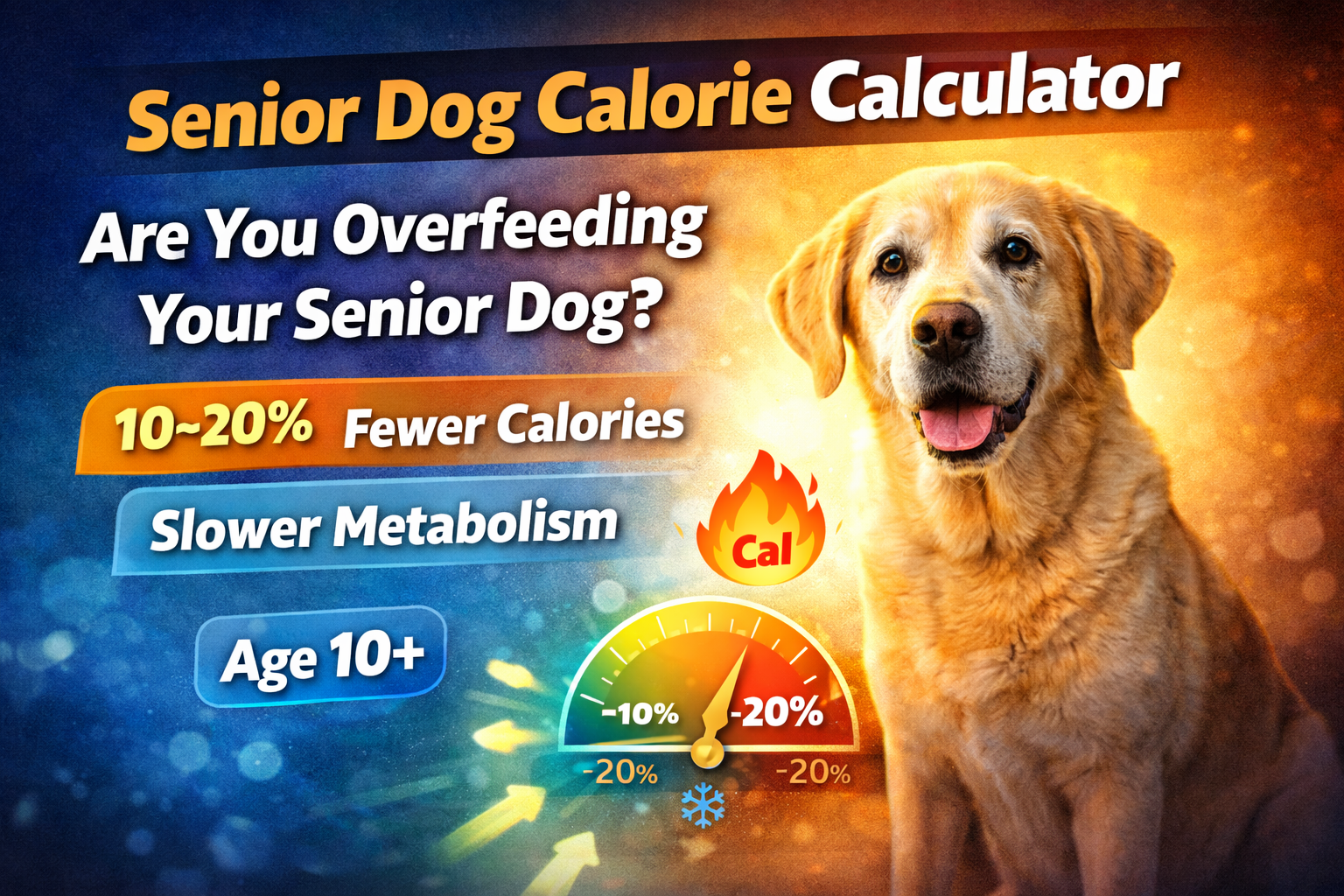
Free senior dog calorie calculator and nutrition tool. Calculate your senior dog\

Free Beagle weight calculator — check your Beagle\
Free bearded dragon weight calculator. Check if your bearded dragon is a healthy weight for their age. Includes weight-by-age chart from hatchling to adult, growth milestones, and care tips.
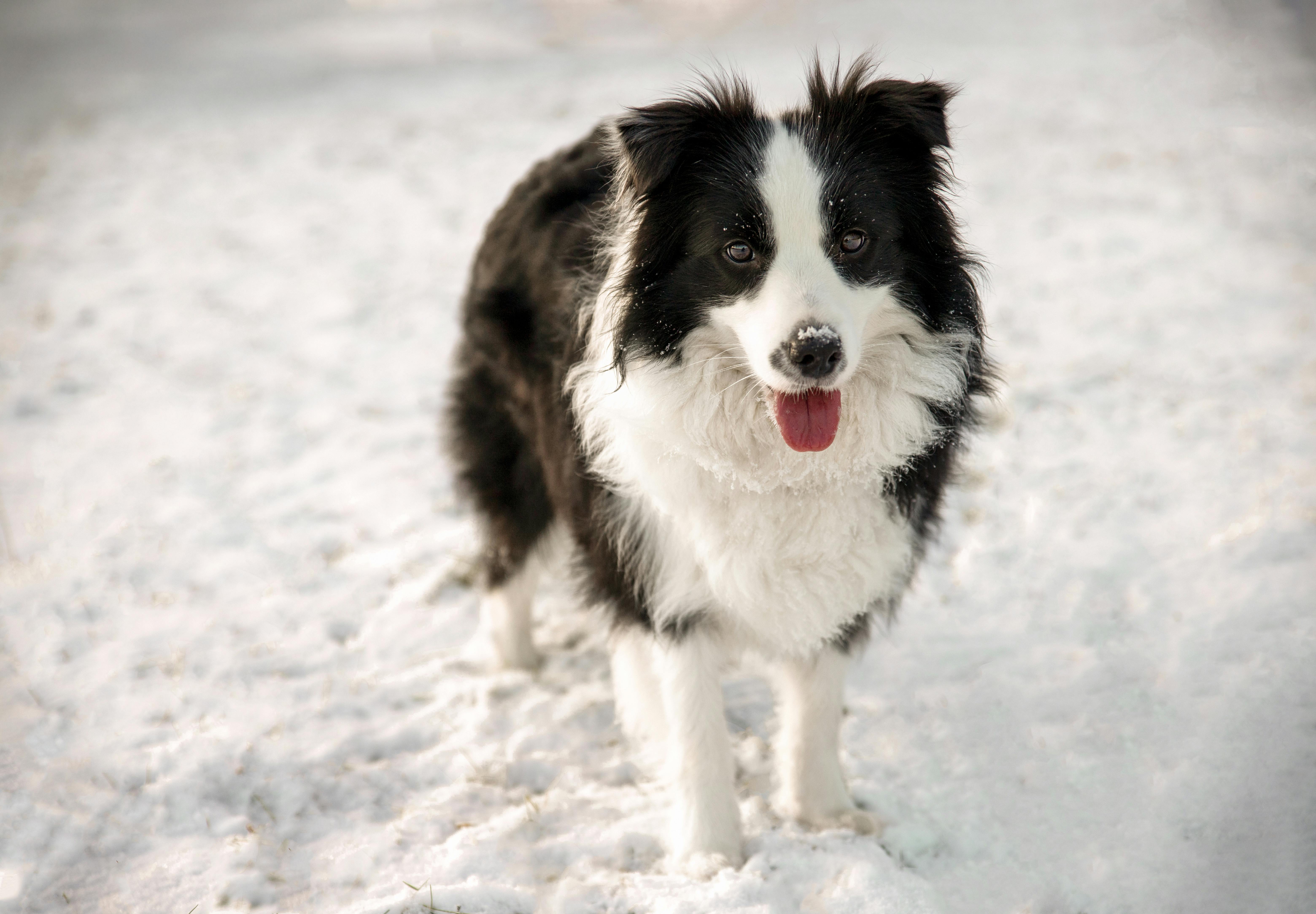
Free Border Collie weight calculator with breed-specific weight ranges by age and sex. Plus: how big do Border Collies get, when do they stop growing, lifespan data, hip dysplasia risk, feeding guide, and Bordoodle mix size reference.