
Dog Calorie Calculator — Free Daily Calorie & Nutrition Tool by Breed
Free dog calorie calculator. How many calories does my dog need? Calculate your dog


Enter your Chihuahua's sex, age, and current weight to check if they are within the healthy weight range for their stage of life.
Chihuahuas are the smallest recognized dog breed, known for their bold personalities and fierce loyalty. They come in two head types (apple head and deer head) and two coat types (smooth and long). Despite their tiny size, they are surprisingly robust when maintained at a healthy weight — dental care and weight management are the two most important factors in their longevity.
Not all Chihuahuas are built the same, and the type of Chihuahua you have directly affects what a healthy weight looks like. The two primary skull types — apple head and deer head — produce noticeably different body structures, and using the wrong weight reference can lead you to think your dog is overweight or underweight when they're perfectly healthy.
Apple head Chihuahuas have a rounded, dome-shaped skull with a pronounced 90-degree stop where the forehead meets the muzzle. They tend to be smaller and more compact, typically weighing 3–5 lbs (1.4–2.3 kg) as adults. Their shorter muzzle and rounder head are the only type that meets the AKC breed standard. Apple heads are more prone to breathing difficulties and dental crowding due to their shorter skulls.
Deer head Chihuahuas have a flatter skull, longer muzzle, and a more gradual slope from forehead to nose — resembling a young deer's face. They tend to have longer legs and a leaner build, typically weighing 5–8 lbs (2.3–3.6 kg). While they don't meet the show standard, deer heads often have fewer respiratory issues and better dental spacing thanks to their longer snouts.
Long-coat vs smooth-coat is the other major division. Both coat types occur in apple head and deer head Chihuahuas. Long-coat Chihuahuas have soft, flat or slightly wavy fur with feathering on the ears, chest, legs, and tail. The coat can make them appear heavier than they are — always weigh your long-coat Chihuahua rather than eyeballing it. Smooth-coat Chihuahuas have short, close-fitting fur that makes body condition easier to assess visually.
Then there's the "teacup" Chihuahua — a marketing term, not a recognized variety. Dogs marketed as teacup are simply undersized Chihuahuas weighing under 3 pounds. They face significantly elevated risks of hypoglycemia, hydrocephalus, heart defects, tracheal collapse, and bone fractures. No reputable breeding organization recognizes teacup as a legitimate size category. If you have a Chihuahua under 3 lbs, they need more frequent vet monitoring and should eat 3–4 small meals daily to prevent dangerous blood sugar drops.
Apple head meets AKC show standard; deer head is larger-framed; "teacup" is a marketing term with elevated health risks. thepetcalculator.com
Chihuahuas are among the longest-lived dog breeds, with an average lifespan of 14–16 years. Many healthy Chihuahuas reach 18–20 years, and the oldest confirmed Chihuahua lived to 22. Their small size gives them a metabolic advantage — smaller dogs generally live longer than larger breeds, and Chihuahuas sit at the extreme small end of the spectrum.
Weight is the single most controllable factor affecting your Chihuahua's lifespan. Research published in the Journal of Veterinary Internal Medicine found that overweight dogs of all breeds live 1.5–2.5 years less than dogs at a healthy weight. For a breed that can live to 16+, that's a significant reduction. An overweight Chihuahua carries proportionally far more excess strain than a larger breed — every extra pound on a 5-pound dog is a 20% increase in body weight.
The two conditions that most commonly shorten Chihuahua lifespans are heart disease (particularly mitral valve disease) and dental disease. Both are progressive and both are influenced by weight and preventive care. Chihuahuas that receive regular dental cleanings and maintain lean body weight statistically outlive those that don't. Annual vet checkups should shift to twice-yearly visits after age 7 when age-related conditions accelerate in toy breeds.
Estimated lifespan ranges by weight category. Overweight dogs lose an estimated 1.5–2.5 years. Source: Journal of Veterinary Internal Medicine body weight and longevity research. thepetcalculator.com
Chihuahua weight ranges are tighter than most breeds — the difference between a healthy 4-pound Chihuahua and an overweight 6-pound Chihuahua is just 2 pounds, but that represents a 50% increase in body weight. Precision matters more with this breed than almost any other.
Males typically weigh 4–6 lbs (1.8–2.7 kg) at maturity. Females tend to be slightly lighter at 3–5.5 lbs (1.4–2.5 kg). These ranges apply to standard AKC-type Chihuahuas — deer head Chihuahuas with larger frames may be healthy at 6–8 lbs. The key is not the number on the scale but body condition: a 7-pound deer head Chihuahua with a visible waist and palpable ribs is healthier than a 5-pound apple head with a round belly and no waist definition.
Puppies grow rapidly. Most Chihuahuas reach full height by 9–10 months and adult weight by 12–14 months. A rough predictor: double your Chihuahua's weight at 14 weeks to estimate adult size, which is typically accurate within 10%. Overfeeding puppies during this growth window doesn't make them bigger — it makes them fat, and early obesity in toy breeds is linked to lifelong metabolic issues.
Chihuahua growth chart based on AKC breed standards. Shaded bands show healthy weight ranges; lines show average. Deer head Chihuahuas may track toward the upper end. thepetcalculator.com
Chihuahuas have one of the most misunderstood temperaments in the dog world. Their reputation for aggression and constant barking is largely the result of how they're raised, not who they are. A well-socialized Chihuahua is confident, loyal, and surprisingly adaptable. An unsocialized one is fearful, reactive, and difficult to live with.
Loyalty and bonding: Chihuahuas typically attach deeply to one or two people and can be aloof or wary with everyone else. This isn't aggression — it's a trait bred into the breed over centuries. They are often called "velcro dogs" because they follow their person from room to room and prefer physical contact (sitting on laps, burrowing under blankets) over independent play.
Barking: Yes, Chihuahuas bark more than average. They're alert, territorial, and have sharp senses. They will announce visitors, passing dogs, delivery trucks, and sometimes seemingly nothing at all. This makes them surprisingly effective watchdogs — they'll hear things before you do. Managing barking requires consistent training (a "quiet" command), adequate exercise, and not reinforcing the behavior by picking them up when they bark.
Intelligence: Chihuahuas score average on obedience intelligence tests, but that ranking reflects their stubbornness, not their brainpower. They are quick learners who excel at reading their owners' emotions and routines. They're also expert manipulators — a Chihuahua that has learned shivering gets them picked up will shiver on command. Training works best with high-value treats, short sessions (5–10 minutes), and patience. They respond poorly to repetition and will simply refuse to cooperate if bored.
The shaking: New Chihuahua owners are often alarmed by how much their dog trembles. The most common cause is simply thermoregulation — Chihuahuas have a very high surface-area-to-mass ratio and lose body heat rapidly. Excitement and anxiety also trigger shaking. It's usually harmless, but if shaking is accompanied by lethargy, weakness, or refusal to eat, check for hypoglycemia immediately — especially in puppies and dogs under 4 pounds.
Aggression: The root cause of most Chihuahua aggression is fear, combined with owners who never taught the dog that the world isn't threatening. The "small dog syndrome" stereotype — where tiny dogs get carried everywhere, never corrected for growling, and shielded from normal dog interactions — creates anxious dogs that default to aggression. The fix is treating your Chihuahua like a dog, not a baby: let them walk on the ground, socialize them early with dogs of all sizes, and correct unwanted behavior the same way you would with a Labrador.
Chihuahuas are generally healthy dogs — their longevity proves it — but they are predisposed to several breed-specific conditions. Understanding these conditions early means catching them early, and most are manageable with proper veterinary care and weight management.
Dental disease is the #1 health issue in Chihuahuas. Up to 80% of Chihuahuas show signs of periodontal disease by age 3 — far higher than the general dog population rate of 80% by age 2 for all breeds. Their small jaws create crowding, food traps easily between teeth, and the resulting bacteria can enter the bloodstream and damage the heart and kidneys. More on this in the dental section below.
Luxating patella (kneecap dislocation) affects an estimated 15–20% of Chihuahuas. The kneecap slides out of its groove, causing intermittent limping — you may notice your dog skipping a step or holding up a back leg briefly, then walking normally. Grades 1–2 are often managed with weight control and joint supplements. Grades 3–4 typically require surgical correction ($1,500–$3,500 per knee). Maintaining lean body weight reduces stress on the knee joint and can prevent mild cases from progressing.
Tracheal collapse affects up to 25% of toy breeds. The cartilage rings supporting the windpipe weaken over time, causing airway narrowing. The hallmark symptom is a honking cough that worsens with excitement, pulling on a leash, or in humid weather. Every extra ounce of body weight adds pressure on the trachea. Using a harness instead of a collar is non-negotiable for Chihuahuas — collar pressure directly compresses the already-vulnerable trachea.
Heart murmurs and mitral valve disease are common in aging Chihuahuas. A heart murmur detected during a routine vet visit doesn't mean immediate danger — many Chihuahuas live for years with low-grade murmurs. But mitral valve disease is progressive, and overweight dogs' hearts work harder. Your vet should listen to your Chihuahua's heart at every visit and may recommend an echocardiogram if the murmur grade increases.
Hypoglycemia (low blood sugar) is a particular risk in Chihuahua puppies under 4 months and adults under 3 pounds. Symptoms include trembling, weakness, staggering, and in severe cases, seizures or loss of consciousness. Keeping corn syrup or honey on hand for emergencies is standard advice from breeders. Prevention means feeding small, frequent meals (3–4 times daily for at-risk dogs) and never letting a small Chihuahua go more than 4–5 hours without food.
Hydrocephalus (water on the brain) is more common in apple head Chihuahuas. The molera — a soft spot on the skull similar to a human baby's fontanelle — is normal in Chihuahua puppies, but if it remains large or the puppy shows signs of head pressing, circling, or seizures, hydrocephalus should be evaluated. Most cases are mild and require monitoring rather than treatment, but severe cases need veterinary intervention.
Weight management doesn't prevent all Chihuahua health conditions, but consistently reduces severity and slows progression. Regular vet checkups every 6 months are recommended. thepetcalculator.com
If there's one section on this page to take seriously, it's this one. Dental disease is the most common health problem in Chihuahuas, the most expensive recurring cost, and a direct threat to both their quality of life and lifespan. Most Chihuahua owners underestimate how bad their dog's teeth are until a vet shows them the X-rays.
Why Chihuahuas are uniquely vulnerable: Their tiny jaws pack in 42 adult teeth — the same number as a German Shepherd — into a fraction of the space. Teeth crowd together, overlap, and sometimes retain baby teeth that never fell out (retained deciduous teeth). Food and bacteria pack into these tight spaces faster than in larger breeds, and the resulting infections spread below the gumline where you can't see them.
The hidden danger: Periodontal disease in Chihuahuas doesn't just cause bad breath and tooth loss. Bacteria from infected gums enter the bloodstream and can damage the heart valves (contributing to the mitral valve disease already common in the breed), the kidneys, and the liver. Studies in the Journal of Small Animal Practice have linked severe periodontal disease to a shortened lifespan of 1–3 years in small breed dogs.
What to do about it: Daily tooth brushing with a dog-specific enzymatic toothpaste is the gold standard — even 3–4 times per week makes a significant difference. Dental chews and water additives provide supplemental benefit but don't replace brushing. Most Chihuahuas need professional dental cleaning under anesthesia once per year, starting as early as age 2. Yes, anesthesia in a 5-pound dog sounds scary, but modern veterinary anesthesia protocols for toy breeds are very safe, and the consequences of untreated dental disease are far worse.
Watch for these signs: bad breath that isn't food-related, red or swollen gums, reluctance to eat hard food, pawing at the mouth, drooling more than normal, and facial swelling. If your Chihuahua suddenly starts eating less or drops food from their mouth, dental pain is the most likely cause. A Chihuahua that is losing weight unexplained may be in dental pain that makes eating uncomfortable.
Because Chihuahuas are so small, even half a pound of extra weight is clinically significant. A 5-pound Chihuahua carrying an extra pound is 20% overweight — the equivalent of a 150-pound person carrying 30 extra pounds. You can't rely on the scale alone. Here's how to assess your Chihuahua's body condition at home:
Action: See your vet. Rule out dental pain, parasites, and hypoglycemia. Increase feeding frequency to 3–4 meals daily.
Action: Maintain current feeding and exercise routine. Reassess monthly — small dogs can gain weight quickly.
Action: Reduce portions by 10–15%. Switch to 3 smaller meals. Increase daily walks by 5–10 minutes. Reweigh in 2 weeks.
Long-coat tip: Chihuahuas with long coats can easily hide weight changes under their fur. Make it a habit to run your hands along their ribcage and spine at least weekly. If you're unsure, a kitchen scale accurate to 0.1 lb is a worthwhile investment — weigh your Chihuahua monthly and track the trend.
Body condition assessment for Chihuahuas. Long-coat Chihuahuas require hands-on assessment — the fur hides body shape changes that are obvious on smooth-coat dogs. thepetcalculator.com
Chihuahua feeding requires more precision than larger breeds. Their tiny stomachs, fast metabolism, and risk of hypoglycemia mean that both how much and how often you feed matter enormously.
Calorie needs: Adult Chihuahuas need approximately 35–40 calories per pound of body weight per day. A 4-pound Chihuahua needs about 140–160 calories daily; a 6-pound Chihuahua needs about 210–240 calories. Active dogs and puppies need the higher end; senior and sedentary dogs need the lower end. This typically translates to ¼ to ½ cup of quality dry kibble per day, split across meals.
Feeding frequency by age:
| Age | Meals per Day | Notes |
|---|---|---|
| 8–12 weeks | 4 meals | Critical for hypoglycemia prevention. Never let a puppy this age skip a meal. |
| 3–6 months | 3–4 meals | Growth is rapid. Use puppy-specific food with higher protein and calorie density. |
| 6–12 months | 2–3 meals | Transition to adult food around 9–10 months when growth slows. |
| 1–7 years (adult) | 2 meals | Morning and evening. Some Chihuahuas do better with 3 smaller meals. |
| 7+ years (senior) | 2–3 meals | Reduce calories by ~20%. Switch to senior formula with joint support. |
Small-breed kibble matters: Standard kibble pieces can be a choking hazard for Chihuahuas. Small-breed formulas have appropriately sized pieces, higher caloric density (because they eat so little per meal), and are easier for their small jaws to chew. If you use wet food, mix it with a small amount of dry food to provide dental abrasion that helps slow tartar buildup.
Treats: A single large dog treat can contain half a Chihuahua's daily calories. Use pea-sized training treats, break larger treats into tiny pieces, and count treat calories as part of the daily total. Treats should never exceed 10% of daily calorie intake.
Calorie estimates based on 35–40 kcal/lb for adults. Adjust for body condition — if ribs are hard to feel, reduce by 10–15%. Always weigh food rather than estimating by eye. thepetcalculator.com
Both Chihuahua coat types shed, both need grooming, and both have specific care needs that affect overall health. The coat type also changes how you assess body condition — long-coat Chihuahuas can hide weight changes that would be obvious on a smooth-coat.
Smooth-coat Chihuahuas have a short, close-fitting coat that sheds moderately year-round with heavier shedding in spring and fall. They need weekly brushing with a soft bristle brush or rubber grooming mitt to remove loose hair and distribute skin oils. Their short coat provides minimal insulation — they chill easily in cool weather and can sunburn in direct sun (particularly light-colored dogs).
Long-coat Chihuahuas have a soft, flat or slightly wavy outer coat with feathering on the ears, chest, legs, and tail. Despite looking higher-maintenance, they shed about the same amount as smooth-coats — the hair is just more visible. Brush 2–3 times per week with a pin brush, paying attention to behind the ears, the chest ruff, and the "pants" on the back legs where matting occurs. Long coats take 2–3 years to fully develop.
Bathing: Every 3–4 weeks is typical. Use a gentle, hypoallergenic dog shampoo — Chihuahuas have sensitive skin that reacts to harsh formulas. Overbathing strips natural oils and causes dry, flaky skin. After bathing, dry them thoroughly, especially in cooler weather — a wet Chihuahua loses body heat dangerously fast.
Skin issues: Dry skin and mild allergies are common. If your Chihuahua has persistent scratching, flaking, or hair loss, consider adding an omega-3 supplement (fish oil) to their diet. Environmental allergies — grass, pollen, dust mites — may require veterinary management. Blue and lavender-colored Chihuahuas sometimes have color dilution alopecia, a genetic condition causing hair thinning and dry skin in dilute-colored dogs.
Chihuahuas need less exercise than most breeds but more than many owners provide. A common mistake is assuming they get enough exercise running around the house — they don't. Regular structured exercise prevents obesity, reduces behavioral problems (barking, anxiety, destructiveness), and supports cardiovascular and joint health.
Daily target: 20–30 minutes of walking plus 10–15 minutes of active play. This can be split into two short walks and one play session. Chihuahuas have short legs and high metabolism — they tire faster than you'd expect but also recover quickly. Short, frequent activity beats one long outing.
Exercise by age: Puppies under 6 months should avoid long walks or jumping from heights — their growth plates are fragile. Stick to gentle indoor play and brief outdoor exploration (5 minutes per month of age as a rough guide). Adult Chihuahuas can handle moderate hikes and longer walks on cool days. Senior Chihuahuas (8+) may need shorter walks but still benefit from daily gentle movement to maintain joint flexibility and healthy weight.
Weather considerations: Chihuahuas are heat-sensitive and cold-intolerant. In temperatures below 45°F (7°C), a sweater or coat is practical, not cosmetic. In temperatures above 85°F (30°C), exercise in early morning or evening only — toy breeds overheat quickly. If the pavement is too hot for your hand, it's too hot for your Chihuahua's paws.
Mental stimulation: Chihuahuas are smart dogs that need mental exercise as much as physical. Puzzle feeders, scent games (hide treats around the house), and short training sessions prevent the boredom that drives excessive barking and destructive behavior. A mentally stimulated Chihuahua is a quieter, calmer Chihuahua.
Chihuahua puppies grow fast relative to their adult size — most of the weight gain happens in the first 6 months. Tracking your puppy's weight weekly helps catch both overfeeding and underfeeding early, and gives you an early prediction of their adult size.
| Age | Weight Range | Milestone |
|---|---|---|
| Birth | 2.5–5.5 oz (70–155 g) | Newborns should gain weight daily. Monitor closely. |
| 8 weeks | 0.7–1.5 lbs (0.3–0.7 kg) | Typical age for going to new home. Feed 4 meals daily. |
| 3 months | 1.0–2.5 lbs (0.5–1.1 kg) | Rapid growth phase. Socialization window opens. |
| 14 weeks | 1.5–3.0 lbs (0.7–1.4 kg) | Double this weight to estimate adult size. |
| 6 months | 2.5–4.5 lbs (1.1–2.0 kg) | ~75% of adult weight. Growth slows. Can reduce to 3 meals. |
| 9 months | 3.0–5.5 lbs (1.4–2.5 kg) | Full height reached. May fill out slightly more. |
| 12–14 months | 3.0–6.0 lbs (1.4–2.7 kg) | Adult weight reached. Transition to adult food. |
First-time Chihuahua puppy owners — key tips: Keep corn syrup or Nutri-Cal paste on hand for hypoglycemia emergencies. Puppy-proof low areas (they fit under furniture you wouldn't expect). Don't let them jump from furniture — fractures are common in puppies. Start dental care early — handle their mouth daily so they accept tooth brushing as adults. And socialize relentlessly between 8–16 weeks: other dogs, different people, new environments, surfaces, and sounds.
Chihuahuas become seniors around age 8–10 — later than large breeds but still a point where age-related changes accelerate. Because they can live to 16–20, the senior years can represent a third or more of their life. Adjusting care during this phase has a significant impact on quality of life.
Weight changes: Senior Chihuahuas tend to gain weight due to decreased activity and metabolic slowdown. Reduce daily calories by about 20% starting around age 8 and monitor weight monthly. Conversely, sudden weight loss in a senior Chihuahua is a red flag — it often indicates dental disease, kidney problems, or heart failure and warrants an immediate vet visit.
Joint care: Luxating patella and arthritis become more symptomatic with age. Glucosamine and chondroitin supplements (available in small-breed formulations) can help maintain joint cartilage. Provide ramps or steps to furniture to prevent jumping, keep walks gentle but consistent, and consider joint-support senior food formulas.
Dental escalation: If dental care has been inconsistent, the senior years are when it catches up. Tooth loss, chronic oral infections, and secondary heart/kidney effects are common in senior Chihuahuas who haven't had regular dental cleanings. It's never too late to start — even senior dogs benefit from professional dental work, though pre-anesthetic blood work becomes more important to assess organ function before sedation.
Cognitive changes: Canine cognitive dysfunction (doggy dementia) can appear in Chihuahuas over 11–12. Signs include disorientation, changes in sleep patterns (wandering at night), decreased interaction with family, and house-soiling in previously trained dogs. Mental stimulation, consistent routines, and supplements like SAMe or omega-3s may slow progression.
Spaying or neutering changes your Chihuahua's metabolism. Hormonal shifts after surgery reduce resting metabolic rate by an estimated 25–30%, meaning your dog needs fewer calories than before — but their appetite often stays the same or increases. Without adjusting food intake, most spayed/neutered Chihuahuas gain weight within the first 6 months post-surgery.
Timing: The ideal timing for spaying/neutering small breeds is typically 6–9 months for females and 6–12 months for males. Unlike large breeds where delayed neutering helps joint development, Chihuahuas don't carry the same orthopedic risk from early neutering. However, very small females (under 3 lbs) may benefit from waiting until they're closer to 9 months and have reached a stable adult weight.
Post-surgery weight management: Reduce daily calories by 15–20% within 2 weeks of surgery. Weigh your Chihuahua weekly for the first 3 months post-op. If weight is trending up despite reduced portions, cut back further or increase activity. The most common mistake is waiting until the dog is already overweight to adjust — by then, the fat gain has momentum and is harder to reverse.
Chihuahuas are one of the most commonly crossed small breeds, producing popular designer mixes with wide size variation. If you have a Chihuahua mix, the weight calculator above gives you the purebred baseline, but your dog's actual healthy range depends on the other breed in the mix.
| Mix | Other Breed | Adult Weight Range | Key Health Notes |
|---|---|---|---|
| Chiweenie | Dachshund | 5–12 lbs | May inherit IVDD risk. Keep lean to protect spine. |
| Pomchi | Pomeranian | 4–10 lbs | Tracheal collapse risk from both parents. Always use a harness. |
| Jack Chi | Jack Russell Terrier | 8–18 lbs | Very high energy. Needs more exercise than a purebred Chihuahua. |
| ShiChi | Shih Tzu | 5–12 lbs | Brachycephalic risk. Monitor breathing in heat. |
| Chorkie | Yorkie | 4–10 lbs | Dental and tracheal risks from both breeds. |
| Chi-Poo | Toy Poodle | 5–15 lbs | Lower shedding. Luxating patella risk from both sides. |
| Chug | Pug | 10–20 lbs | Obesity-prone. Brachycephalic risk. Strict portion control needed. |
Chihuahua vs Yorkie: Both are toy breeds in the 3–7 lb range. Yorkies tend to have higher grooming needs (their silky coat requires daily brushing), while Chihuahuas are lower maintenance but more vocal. Both share dental disease and tracheal collapse risks. Yorkies are generally more tolerant of children; Chihuahuas are more one-person dogs.
Chihuahua vs Pomeranian: Pomeranians are slightly larger (3–7 lbs) with a dramatically different coat — thick, double-layered, and requiring significant grooming. Poms shed more visibly and are equally vocal. Both breeds are prone to tracheal collapse and luxating patella. Pomeranians are more outgoing with strangers; Chihuahuas are more reserved and loyal to their primary person.
Adult weight ranges for pure breeds follow AKC/breed standards. Mix breed ranges are approximate — size depends on which parent's genes dominate. thepetcalculator.com
Chihuahuas are among the more affordable breeds in terms of food and basic supplies, but veterinary costs — particularly dental care — can add up quickly. Here's a realistic breakdown of what Chihuahua ownership costs:
Purchase/adoption: $500–$1,500 from a reputable breeder. $100–$400 from a rescue or shelter. Avoid listings advertising "teacup" Chihuahuas at premium prices ($2,000+) — these are often undersized dogs from irresponsible breeders charging a markup for a health liability.
Annual routine costs: Food runs approximately $200–$400/year (they eat very little). Routine vet visits including vaccinations average $200–$400. Grooming costs are minimal for smooth-coats ($100–$200/year); long-coats may cost slightly more if professionally groomed. Supplies (harness, bed, toys, dental products) add approximately $100–$200/year.
The big-ticket items: Professional dental cleaning under anesthesia costs $300–$600 per session, and most Chihuahuas need one annually from age 2 onward. Luxating patella surgery runs $1,500–$3,500 per knee. Tracheal collapse management (medications and potential stenting) can reach $2,000–$5,000. Pet insurance ($25–$50/month for a Chihuahua) is worth considering given these breed-specific risks.
Lifetime cost estimate: Over a 14–16 year lifespan, total ownership costs for a Chihuahua typically range from $15,000–$25,000, with the wide range driven primarily by dental and orthopedic expenses. Investing in preventive care (dental hygiene, weight management, joint supplements) consistently reduces lifetime costs compared to treating advanced conditions.
| Category | Standard / Apple Head | Deer Head | "Teacup" (not recommended) |
|---|---|---|---|
| Adult weight | 3–6 lbs (1.4–2.7 kg) | 5–8 lbs (2.3–3.6 kg) | Under 3 lbs (under 1.4 kg) |
| Height | 5–8 inches | 8–12 inches | Under 6 inches |
| Lifespan | 14–16 years | 14–16 years | 10–14 years (health-dependent) |
| Daily calories | 140–240 kcal | 175–320 kcal | Under 120 kcal |
| Exercise | 20–30 min/day | 25–35 min/day | 10–20 min/day (limited stamina) |
| Top health risks | Dental, luxating patella, tracheal collapse | Dental, luxating patella, heart murmur | Hypoglycemia, hydrocephalus, fractures |
| Fully grown | 12–14 months | 12–14 months | 10–12 months |
| Coat types | Smooth-coat (short) or Long-coat — both occur in all head/size types | ||
For a personalized weight assessment based on your Chihuahua's specific age and sex, use the calculator at the top of this page. You can also check our Dog Nutrition Calculator for detailed calorie and macro recommendations, or our Dog Weight Loss Calculator if your Chihuahua needs to shed a few ounces safely.
FAQs
A healthy adult Chihuahua typically weighs between 3 and 6 pounds (1.4–2.7 kg). Males tend toward the upper end at 4–6 lbs, while females are often slightly lighter at 3–5.5 lbs. The AKC breed standard sets a maximum of 6 pounds for show dogs, though healthy pet Chihuahuas can occasionally weigh up to 7–8 lbs, especially deer head types with larger bone structure.
Chihuahuas are one of the longest-lived dog breeds, with an average lifespan of 14–16 years. Many healthy Chihuahuas live to 18–20 years. Maintaining a healthy weight is one of the most significant factors — overweight Chihuahuas lose an estimated 1.5–2.5 years of life expectancy. Heart disease and dental disease are the two most common life-shortening conditions in the breed.
Apple head Chihuahuas have a rounded, dome-shaped skull with a well-defined 90-degree stop (the angle where the forehead meets the muzzle). They tend to be smaller, typically 3–5 lbs. Deer head Chihuahuas have a flatter skull, a longer muzzle, and a more gradual slope from forehead to nose. They tend to be larger at 5–8 lbs. Only apple heads meet the AKC breed standard, but deer heads often have fewer breathing issues due to their longer snouts.
No. "Teacup" is a marketing term, not a recognized breed or variety. Dogs sold as teacup Chihuahuas are simply undersized individuals, often weighing under 3 pounds. They face significantly higher health risks including hypoglycemia, hydrocephalus, heart defects, tracheal collapse, and bone fractures. Reputable breeders avoid intentionally breeding for extremely small size. If you have a very small Chihuahua, extra veterinary monitoring is essential.
Chihuahua shaking is extremely common and can have several causes. The most frequent is thermoregulation — their tiny bodies lose heat rapidly, and shaking generates warmth. Excitement, anxiety, and low blood sugar (hypoglycemia) are other common triggers. If your Chihuahua is shaking alongside lethargy, weakness, or refusal to eat, check for hypoglycemia immediately — this is a medical emergency in small dogs. Persistent unexplained trembling should be evaluated by a vet to rule out pain, neurological conditions, or kidney disease.
Yes, both long-coat and smooth-coat Chihuahuas shed, though the amount varies. Smooth-coat Chihuahuas shed moderately year-round with seasonal increases in spring and fall. Long-coat Chihuahuas actually shed about the same amount, but their longer fur is more visible on clothing and furniture. Weekly brushing manages shedding for smooth coats; long coats benefit from brushing 2–3 times per week to prevent matting, particularly behind the ears and around the chest.
Chihuahuas are more intelligent than their reputation suggests. They rank in the average range for working/obedience intelligence (Stanley Coren's rankings), but they excel at adaptive intelligence — learning from their environment and manipulating their owners. They are quick to learn tricks when motivated but are famously stubborn and selective about when they choose to comply. Positive reinforcement with high-value treats works far better than repetition-based training.
Chihuahua aggression is largely a learned behavior, not an inherent trait. Because of their tiny size, owners often skip the socialization and training they would give a larger dog — picking them up instead of letting them walk, laughing at growling rather than correcting it, and not exposing them to other dogs or new experiences. This creates a fearful dog that uses aggression as its primary defense. Early socialization (8–16 weeks), consistent training, and letting your Chihuahua walk on the ground rather than being carried everywhere can prevent most aggression issues.
An adult Chihuahua needs roughly 35–40 calories per pound of body weight per day. For a healthy 5-pound Chihuahua, that is about 175–200 calories daily, which typically equals ¼ to ½ cup of quality dry kibble split into 2–3 meals. Puppies under 6 months need 3–4 small meals per day to prevent hypoglycemia. Small-breed-specific kibble with smaller pieces is important — standard kibble can be a choking hazard for Chihuahuas.
Tracheal collapse is a progressive condition where the cartilage rings supporting the windpipe weaken and flatten, causing a narrowed airway. It affects up to 25% of toy breeds including Chihuahuas, typically appearing after age 6. Symptoms include a distinctive honking cough, especially during excitement or when wearing a collar. Excess weight directly worsens tracheal collapse by adding pressure on the airway. Using a harness instead of a collar, maintaining lean body weight, and avoiding exposure to smoke or dust are the three most important preventive measures.
Chihuahuas are vocal dogs and do tend to bark more than average. They bark at strangers, unfamiliar sounds, other animals, and sometimes seemingly nothing at all. This is partly a watchdog instinct — they are highly alert and territorial despite their size. Excessive barking can be managed through training: teaching a "quiet" command, ensuring adequate exercise and mental stimulation, and avoiding reinforcing the barking by picking them up or giving attention when they bark. A Chihuahua that barks at every noise is usually under-exercised or under-socialized.
Chihuahuas can be good with older children who understand how to handle a fragile small dog, but they are generally not recommended for families with toddlers or young children. A small child can easily injure a Chihuahua by stepping on it, dropping it, or squeezing too hard — and the Chihuahua may bite in self-defense. If you have young children, supervise all interactions closely and teach children to sit on the floor when holding the dog rather than standing or walking with it.
The most common health issues in Chihuahuas are dental disease (affecting up to 80% of the breed by age 3), luxating patella (kneecap dislocation), tracheal collapse, heart murmurs and mitral valve disease, hypoglycemia (especially in puppies and very small adults), and hydrocephalus. Many of these conditions are manageable with early detection. Regular vet checkups every 6 months — rather than annually — are recommended for Chihuahuas because their small size means health problems can escalate quickly.
Standard Chihuahuas typically reach 5–8 inches tall at the shoulder and weigh 3–6 pounds when fully grown. Deer head Chihuahuas tend to be slightly taller and heavier than apple head types, sometimes reaching 10–12 inches and 7–8 pounds. Chihuahuas reach their full height by about 9 months and their adult weight by 12–14 months. If your Chihuahua weighs significantly more than 8 pounds and is not overweight, they may have a larger frame typical of deer head genetics.
Most Chihuahuas reach their full adult height by 9–10 months and their full adult weight by 12–14 months. Some larger Chihuahuas (particularly deer head types) may continue filling out slightly until 18 months. Unlike large breeds that take 18–24 months to mature, Chihuahuas mature quickly. You can estimate adult weight by doubling their weight at 14 weeks — this gives a rough approximation within about 10% for most Chihuahuas.
Chihuahuas are excellent apartment dogs. Their small size means they get adequate indoor exercise from normal play, they do not need a yard, and their food and supply costs are low. The main apartment challenge is barking — Chihuahuas can be very vocal and may disturb neighbors if not trained. Daily walks (20–30 minutes), puzzle toys, and consistent "quiet" training make Chihuahuas one of the most apartment-friendly breeds.
Run your hands along your Chihuahua's ribcage — you should be able to feel each rib with light pressure but not see them. Looking from above, there should be a visible waist behind the ribs. From the side, the belly should tuck up noticeably. Because Chihuahuas are so small, even half a pound of extra weight is significant — a 6-pound Chihuahua carrying an extra pound is roughly 17% overweight, equivalent to a 150-pound person carrying 25 extra pounds.
Look for a small-breed-specific formula with small kibble size, moderate to high protein (25–30%), and moderate fat (12–18%). Chihuahuas benefit from foods with added omega fatty acids for coat health and glucosamine for joint support. Avoid foods with artificial fillers or excessive carbohydrates. Because of their hypoglycemia risk, some owners add a small amount of wet food or a calorie-dense topper to ensure consistent energy. Brands formulated for toy breeds typically have the right caloric density.
Chihuahua puppy prices range from $500–$1,500 from reputable breeders, with show-quality or rare-color puppies sometimes reaching $2,500+. Adoption from rescues or shelters typically costs $100–$400. Annual ownership costs average $800–$1,200 including food, routine vet care, dental cleanings, and supplies. The biggest ongoing expense is dental care — professional cleanings under anesthesia cost $300–$600 per session and most Chihuahuas need them annually.
Chihuahuas tend to prefer the company of other Chihuahuas or similarly sized dogs. They can be territorial and may show aggression toward larger dogs, partly from fear and partly from lack of socialization. Early and consistent exposure to dogs of all sizes during puppyhood (8–16 weeks) is critical. Many Chihuahua owners find that having two Chihuahuas together works well — they keep each other company and are less likely to develop separation anxiety.
Underweight Chihuahuas may be dealing with dental pain (making eating painful), intestinal parasites, stress, hyperthyroidism, or simply not getting enough calories. Because Chihuahuas have a fast metabolism, missing even one meal can cause noticeable weight loss. Check their teeth for redness or broken teeth, ensure they are on a deworming schedule, and try feeding 3–4 smaller meals rather than 2 larger ones. If your Chihuahua is eating normally but still losing weight, a vet visit is needed to rule out metabolic conditions.
Chihuahuas come in virtually every color and pattern recognized in dogs. Common solid colors include fawn, black, white, chocolate, cream, and blue (a diluted gray). Common patterns include black and tan, fawn and white, brindle, merle, and sable. Blue merle Chihuahuas are sought after but carry a genetic risk — breeding two merle dogs together can produce puppies with vision and hearing defects. Color does not affect temperament or health (except in the merle x merle case).
Free dog calorie calculator. How many calories does my dog need? Calculate your dog

Free puppy calorie calculator and nutrition tool. Calculate your puppy\

Free senior dog calorie calculator and nutrition tool. Calculate your senior dog\
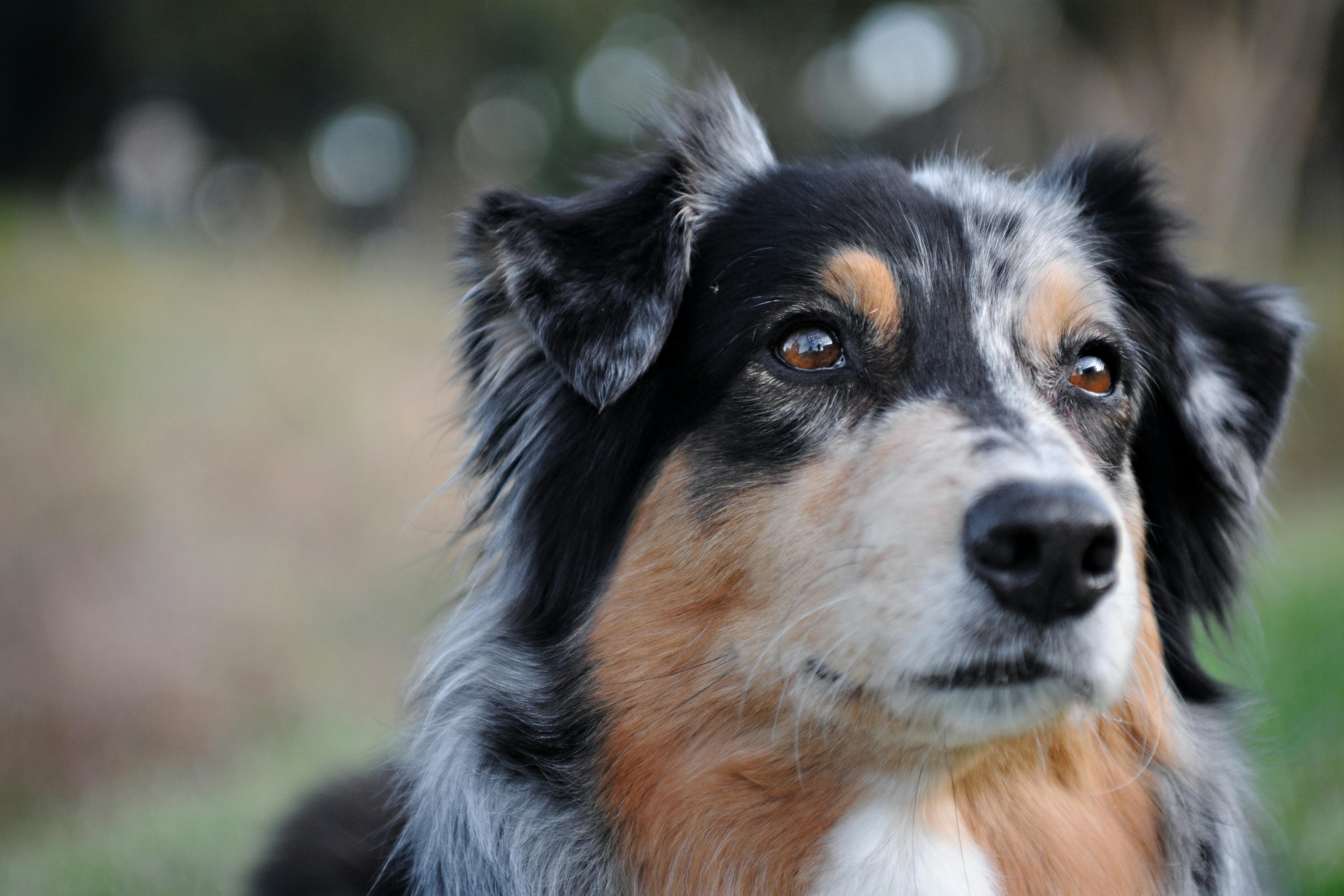
Check your Australian Shepherd\

Free Beagle weight calculator — check your Beagle\
Free bearded dragon weight calculator. Check if your bearded dragon is a healthy weight for their age. Includes weight-by-age chart from hatchling to adult, growth milestones, and care tips.