Last updated: July 17, 2026

Euthanasia & Saying Goodbye

Coping With Guilt Afterward

Almost everyone wonders if they chose the right time. This gentle guide explains why guilt is such a common part of this loss, and offers ways to forgive yourself and grieve in peace.

If you are tormented by whether you did the right thing, please hear this gently: the fact that you are agonizing over it is proof of how much you loved them. People who act carelessly do not grieve like this.

If the guilt feels unbearable

Grief and guilt this heavy can pull you to a very dark place. If you are having thoughts of harming yourself, please reach the 988 Suicide and Crisis Lifeline any time by calling or texting 988, or text HOME to the Crisis Text Line at 741741. In an emergency, call 911 or your local emergency service.

Why guilt follows this loss

Euthanasia is one of the only forms of loss where you have to make the decision yourself, and that is exactly why it so often comes wrapped in guilt. The mind, desperate to make sense of the pain, searches for something you could have done differently. Maybe you replay the last days, question the timing, or wonder whether one more treatment might have helped. This second-guessing is nearly universal, and it does not mean you failed your pet.

Guilt, at its heart, is grief looking for somewhere to land. It feels more bearable to believe you had control than to sit with the helplessness of loss. Understanding that can be the first small step toward setting the guilt down.

Gentle truths to return to

Guilt is grief looking for somewhere to land

The mind searches for something it could have done differently, because that feels more bearable than the helplessness of loss. The guilt is a measure of love, not evidence of wrongdoing.

You ended suffering, not a life you could save

Euthanasia is chosen when there is no path back to comfort. You did not take away good years. You spared your pet from pain they did not deserve.

There is no perfect timing

Too soon or too late haunts almost everyone, because there is no exact right moment. Making the choice out of love, in the fog of an impossible decision, is all any of us can do.

Gentle ways to forgive yourself

Self-forgiveness rarely comes from winning an argument with yourself. It comes from compassion, practiced slowly. Try speaking to yourself as you would to a grieving friend who made the same choice. Remind yourself why you decided as you did, and let the sadness exist without piling blame on top of it. Writing your pet a letter, marking the happy years, or lighting a candle can give the love somewhere to go.

If the guilt keeps circling, sharing it with people who understand can loosen its grip. Our guides to pet loss hotlines and pet loss counseling can help. If you are specifically caught on the timing, our guide on whether you euthanized too soon speaks to that exact fear.

This is a sensitive topic. If you are struggling with your mental health, please reach out to a counselor, your doctor, or the 988 Suicide and Crisis Lifeline for support.

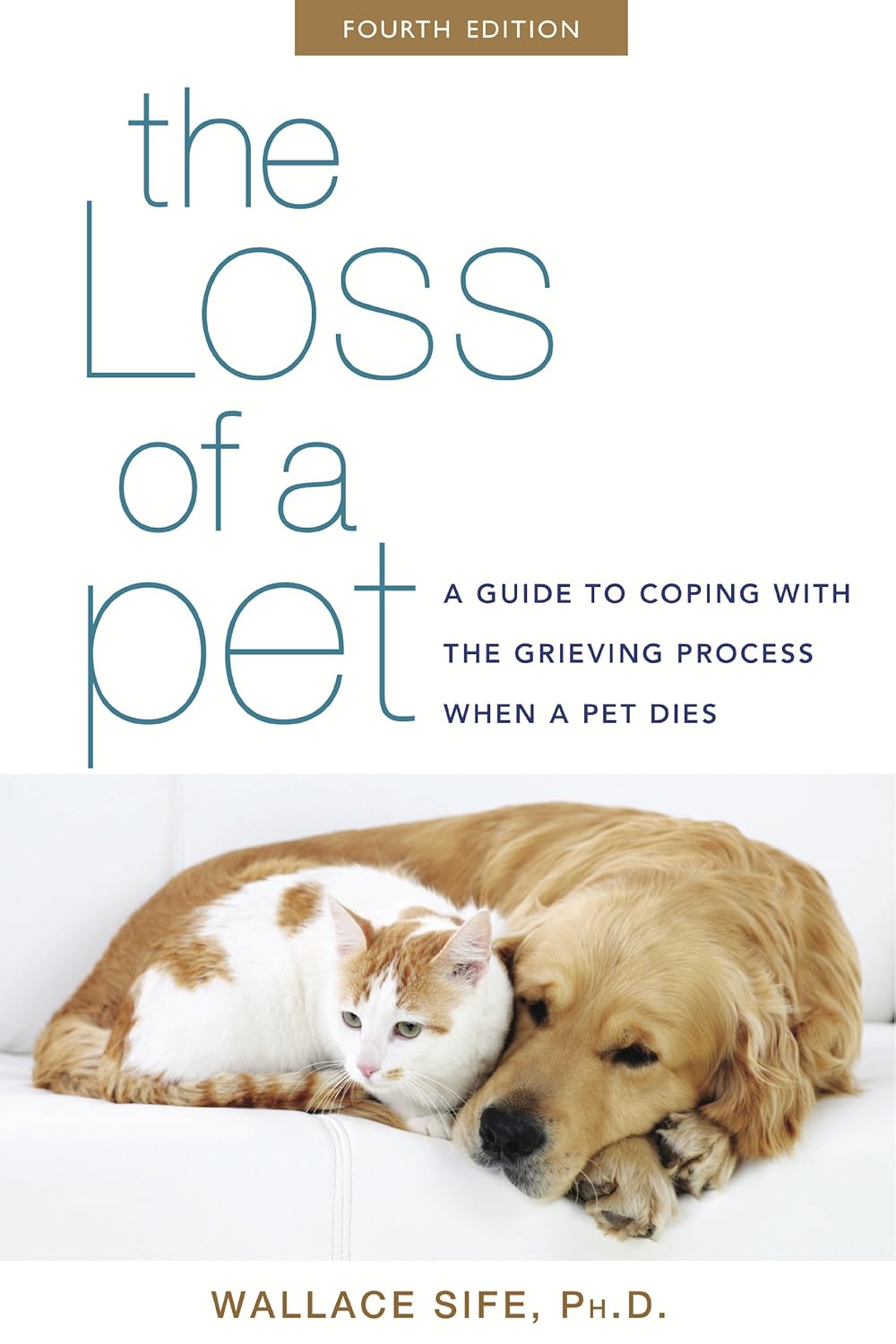
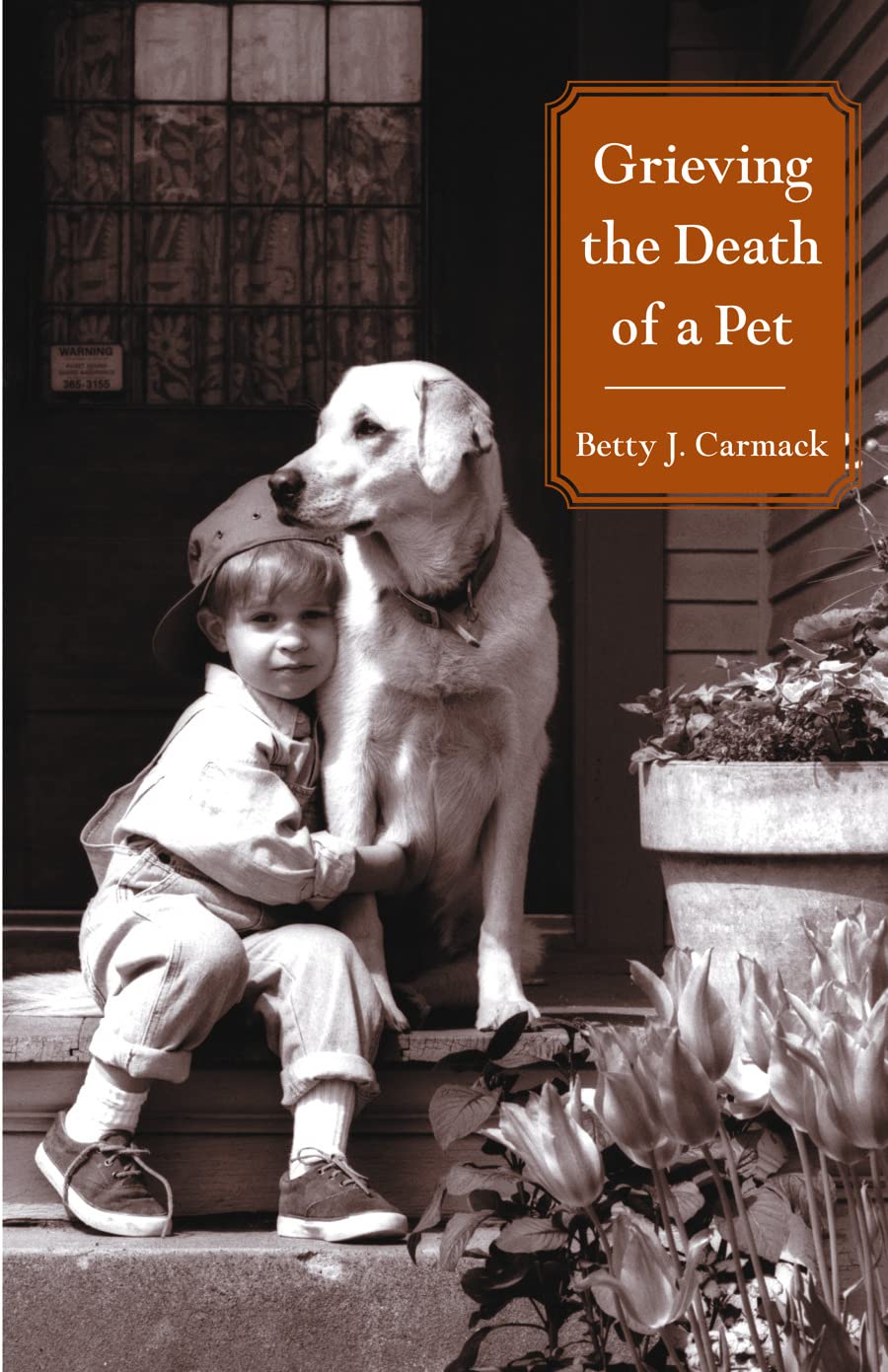
Books That May Bring Comfort

A few gentle, well-regarded reads for this part of the journey.

As an Amazon Associate we earn from qualifying purchases. The book links below are affiliate links, and we may earn a small commission if you buy through them, at no extra cost to you. Learn more.

Looking for more? See our full guide to the best books on pet grief.

Euthanasia Guilt: Common Questions

Gentle answers for the second-guessing that follows.

Is it normal to feel guilty after euthanizing my pet?

Yes. Guilt is one of the most common feelings after euthanasia, and nearly every loving pet owner experiences some form of it. You may replay the timing, wonder if you acted too soon or waited too long, or second-guess a decision you made with love. These thoughts do not mean you did anything wrong. Choosing to end suffering is one of the kindest and hardest things a person can do.

Why do I feel like I killed my pet?

This is a painful but very common thought, and it comes from the mind confusing responsibility with wrongdoing. You made a decision, so it can feel as though you caused the death. But you did not cause your pet's illness or decline. You made a merciful choice to spare them from suffering they could not escape. That is love in one of its hardest forms, not harm.

How do I forgive myself?

Self-forgiveness comes slowly, through compassion rather than argument. Try speaking to yourself as you would to a grieving friend, remembering why you made the choice, and letting yourself feel the sadness without piling blame on top of it. Writing your pet a letter, marking the good years, and talking to others who understand can all help the guilt soften into ordinary, survivable grief.

How long does euthanasia guilt last?

There is no set timeline. For many people the sharpest guilt eases over weeks and months as grief settles, though it may return in waves on anniversaries or quiet evenings. If the guilt stays intense, keeps you from daily life, or turns into deep hopelessness, that is a sign to reach out to a pet loss counselor or your doctor for support.

When should I seek help for my grief?

Reach out if your grief or guilt feels unbearable, lasts without easing, or begins to affect your sleep, work, or relationships, and especially if you have any thoughts of harming yourself. Pet loss hotlines, support groups, and counselors exist for exactly this. Asking for help is not weakness. It is how many people find their way back to peace.

Be as gentle with yourself as you were with them

You do not have to carry this alone. Explore the guides and support that can help you find some peace.

Ads.txt