You do not have to explain everything perfectly. What children remember most is that you were honest, that you stayed close, and that their feelings were safe with you.
Why honesty is the kindest choice
It is natural to want to shield a child from pain, but gentle honesty protects them better than soft phrases that hide the truth. Children are perceptive, and they sense when something is wrong. A clear, loving explanation gives their grief something solid to stand on, while vague or made up stories often leave them more confused and anxious than the truth would.
Explaining death also teaches children something lasting: that hard feelings can be spoken about, that love does not end when someone dies, and that the adults they trust will tell them the truth even when it hurts. That lesson will help them through every loss to come.
What death means at different ages
Toddlers and preschoolers (up to about 5)
Very young children do not yet understand that death is permanent, and may ask where the pet is over and over. Keep it simple and concrete: the pet has died, their body stopped working, and they will not come back. Expect the same questions many times, and answer them patiently each time.
School age children (about 6 to 9)
Around this age children begin to grasp that death is final and happens to all living things. They may ask direct, practical questions about what happened and why. Answer honestly and simply, and reassure them that the death was not their fault.
Older children and teens (10 and up)
Older children understand death much as adults do and may want fuller explanations, including the reasons behind a decision such as euthanasia. They may also grieve more privately. Be available, be honest, and let them lead on how much they want to talk.
These stages are a guide, not a rule. Children vary, and a previous loss, their temperament, and how death is talked about at home all shape what they understand. When you are ready to actually break the news, our step by step guide on how to tell a child their pet died can help.
Gentle sounding phrases to avoid
"Put to sleep"
Can make a child afraid of sleep, bedtime, or anesthesia at the doctor. Say the pet died, gently and clearly.
"Went away" or "we lost them"
Sounds like the pet chose to leave or could be found again, and can make a child fear that others might disappear too.
"Went to a farm" or a made up story
A comforting story that later unravels can break trust and teach a child that you will not tell them the truth about hard things.
"God took them" (without context)
Depending on your family, this may comfort or confuse. If you use faith, pair it with the plain fact that the pet has died so the child is not left puzzled.
Answering the questions that follow
Children often ask the same questions again and again, or surprising ones, as they work to make sense of what happened. Where did they go? Will you die? Was it my fault? Answer simply and honestly, reassure them that the death was not their fault, and let them know that missing their pet is a sign of how much they loved them. It is fine to say you do not know something, and to cry with them. Sharing your own sadness shows a child that grief is normal and that they are not alone in it.
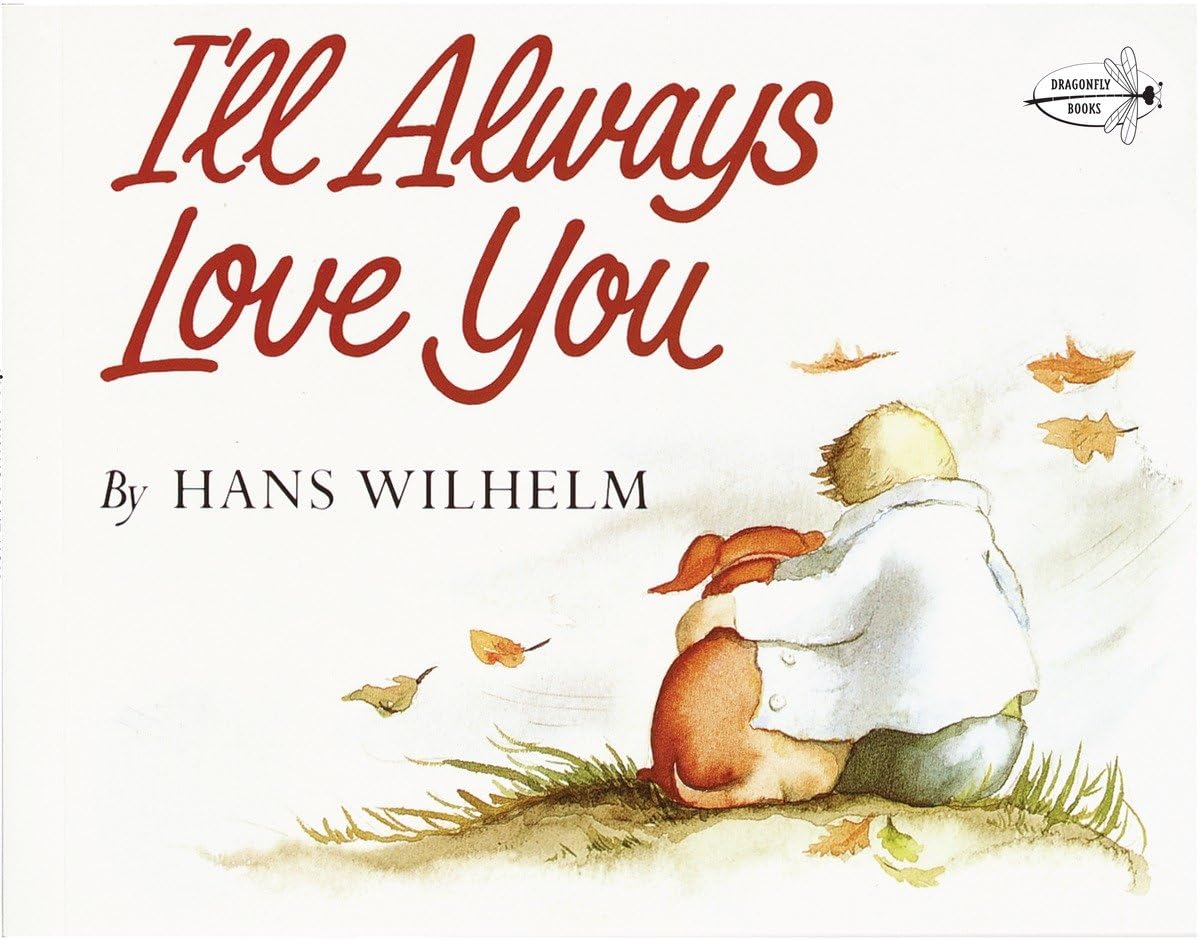
Grief in children often comes and goes, so keep the door open over the days and weeks that follow. A shared story can make these talks easier to begin, and giving feelings a creative outlet helps too. Explore children's books about pet loss and gentle activities for grieving children when you are ready.
Every child grieves differently. Trust what you know about yours, and reach out to your pediatrician or a counselor if you would like extra support.