Last updated: July 17, 2026

Euthanasia & Saying Goodbye

Quality of Life Assessment

When love and fear cloud your judgment, a gentle, structured assessment can help you see your pet clearly. This is a way to look honestly, without guilt, at the life your companion is living now.

A scale is not a verdict, and it will never love your pet the way you do. It is simply a steadier place for your judgment to rest, so that fear does not decide for you and denial does not either.

Why a quality of life scale helps

When you look at a pet you adore, love and fear can pull your view in opposite directions. Some days you see only how far they have declined, other days you cling to a single good moment. A quality of life scale gently steadies that view by asking you to rate the specific things that make up daily comfort, one at a time, and then to look at the whole.

The most widely used version is the HHHHHMM scale, created by veterinary oncologist Dr. Alice Villalobos. Its name comes from the first letters of the seven areas it measures. You score each from zero to ten, then add them up to see where things truly stand.

The seven factors of the HHHHHMM scale

Hurt

Is your pet's pain well controlled? Adequate pain relief, including the ability to breathe comfortably, is considered the most important factor of all.

Hunger

Is your pet eating enough on their own? Refusing food, or needing to be force fed to get any nutrition, weighs heavily against comfort.

Hydration

Is your pet drinking and staying hydrated? Ongoing dehydration, or needing fluids given under the skin, is a sign the body is struggling.

Hygiene

Can your pet stay clean and dry? A pet who cannot move away from soiling, or who develops sores, loses dignity and comfort.

Happiness

Does your pet still show joy? Interest in you, in favorite people, toys, or surroundings, tells you whether life still holds pleasure.

Mobility

Can your pet move well enough to do what they need to? Being unable to stand, walk, or get up without help affects comfort and safety.

More good days than bad

When bad days begin to outnumber good ones, the balance has tipped. This overall view is often the clearest and gentlest measure of all.

Score each factor honestly from zero to ten, where higher means better. A higher total suggests your pet still has quality of life worth supporting, while a low total suggests suffering may be outweighing comfort. Use the number as one honest input, alongside your own eyes and your veterinarian's guidance.

Walk through it one gentle question at a time

Our quality of life calculators guide you through the key signs, one question at a time, and give you a clear score to reflect on and share with your veterinarian.

This guide explains a common assessment tool and is not a substitute for advice from your veterinarian, who can weigh your pet's medical picture with you.
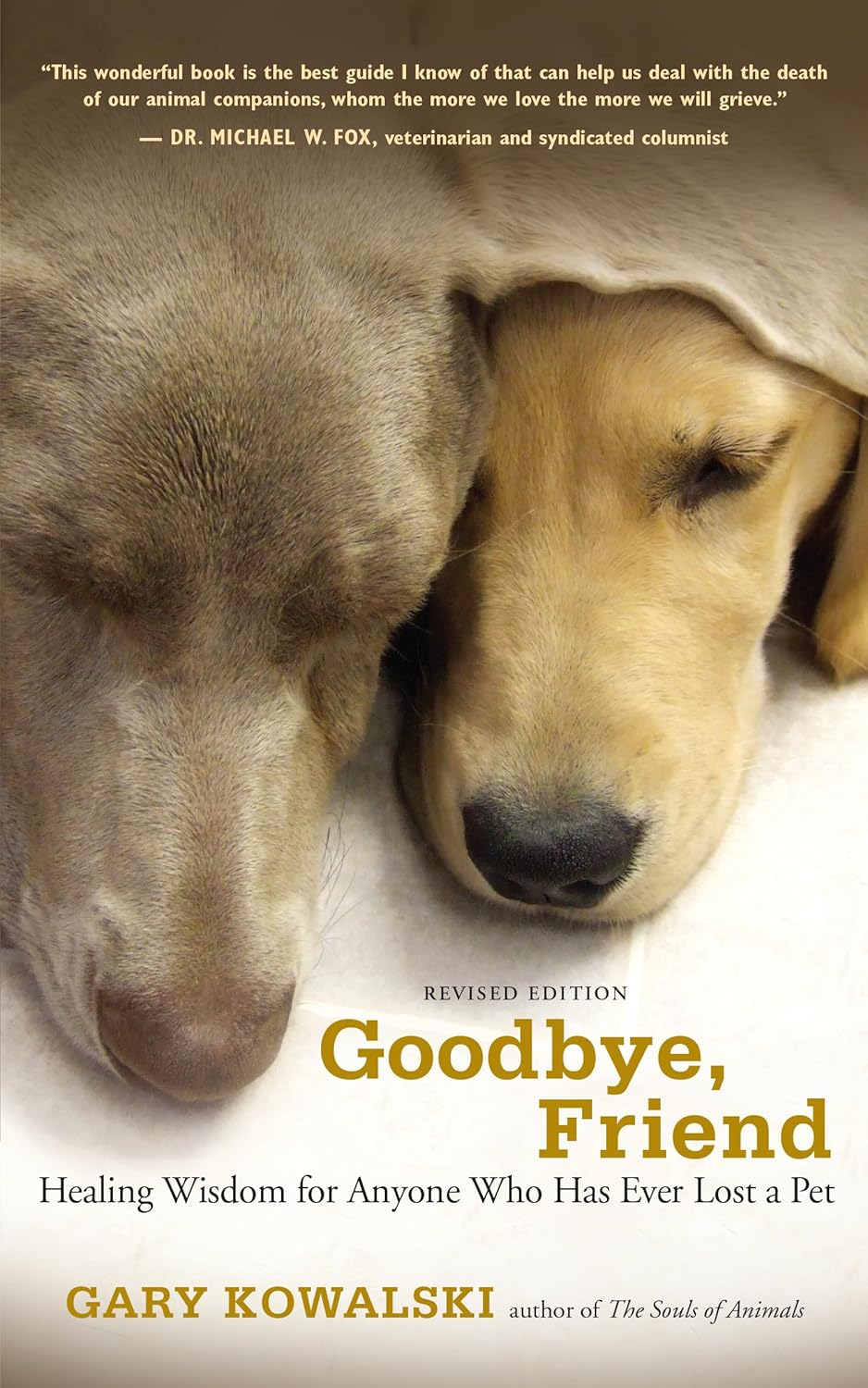
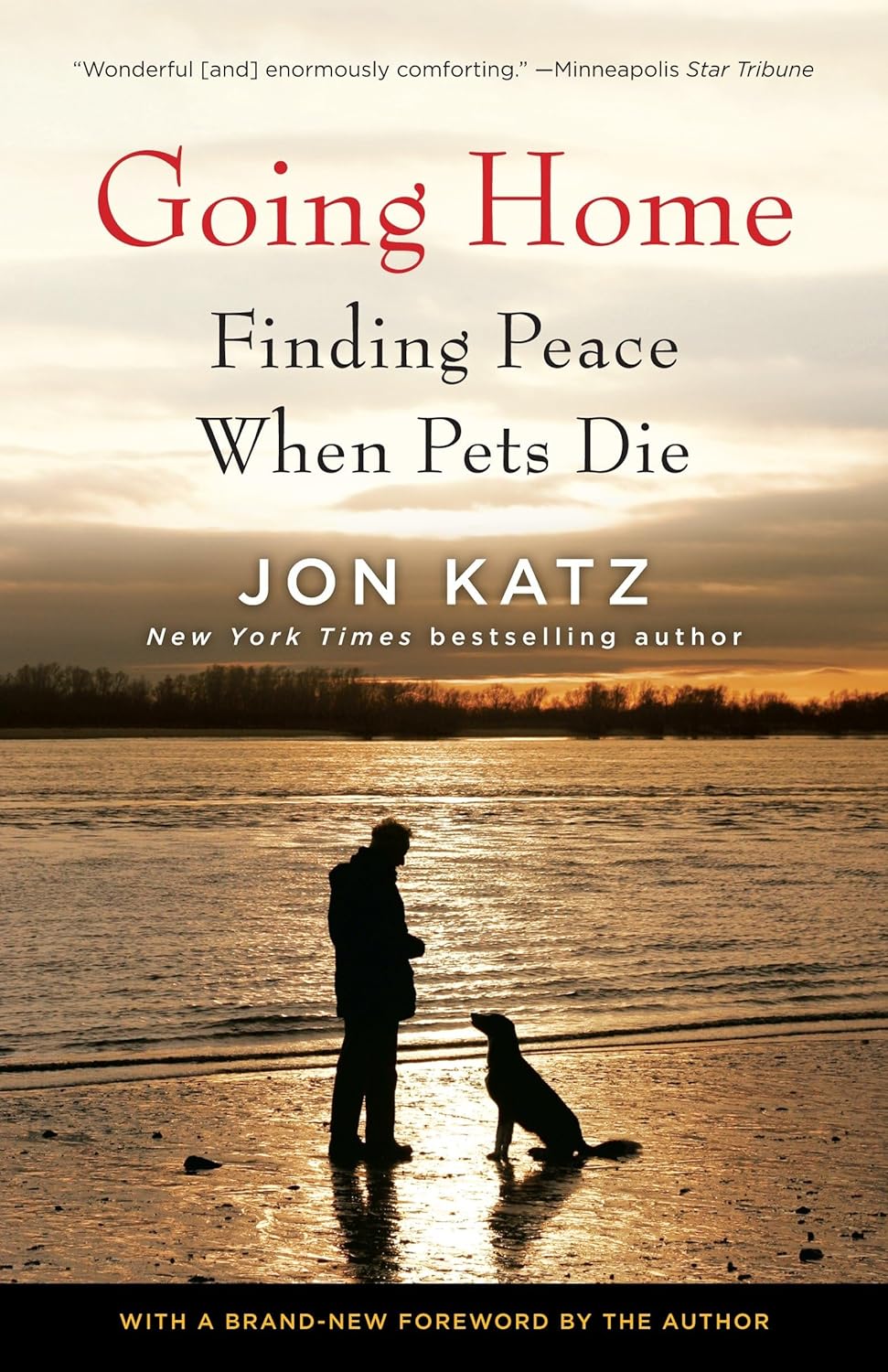
Books That May Bring Comfort

A few gentle, well-regarded reads for this part of the journey.

As an Amazon Associate we earn from qualifying purchases. The book links below are affiliate links, and we may earn a small commission if you buy through them, at no extra cost to you. Learn more.

Looking for more? See our full guide to the best books on pet grief.

Quality of Life Assessment: Common Questions

Gentle answers about using a pet quality of life scale.

What is a pet quality of life scale?

A pet quality of life scale is a simple, structured tool that helps you rate the parts of your pet's daily life that matter most, such as pain, appetite, mobility, and happiness. By scoring each one honestly, you get a clearer overall picture than fear and love alone allow. The best known version is the HHHHHMM scale, developed by veterinary oncologist Dr. Alice Villalobos.

How do I score my pet fairly?

Try to score what you actually see over several days, not your best hopes or your worst fears. It can help to fill out the scale at the same time each day, or to ask another family member to score independently and compare. Small numbers on a page are painful, but they can also cut through denial and reassure you that you are seeing clearly.

What score means it is time?

Scales offer guidance, not a verdict. On the HHHHHMM scale, a total in the acceptable range suggests quality of life is still worth supporting, while a lower total suggests suffering may be outweighing comfort. Treat the number as one honest input alongside your own observations and your veterinarian's guidance, not as the sole decision maker.

Should I use the scale more than once?

Yes. Filling out the scale every few days, and keeping the results, turns single hard moments into a trend you can actually see. A steady decline over a week or two is far more telling than any single day, and it can help you and your family reach the decision together with less doubt.

Is it wrong to use a checklist for something so personal?

Not at all. A checklist does not replace your love or your judgment. It simply gives them a steadier place to stand. Many people find that a gentle, structured assessment eases guilt afterward, because they can see they looked at their pet honestly and made the kindest choice the evidence allowed.

See the picture clearly, then be gentle with yourself

Whatever the scale shows, the care that brought you here is real. Explore the guides for whatever comes next.

Ads.txt