
Last updated: July 17, 2026

Euthanasia & Saying Goodbye

Knowing When It Is Time for a Cat

Cats hide illness so well that this decision can feel especially uncertain. This gentle guide will help you read the quieter signs of decline, weigh quality of life, and trust yourself with an impossible choice.

If you feel you are guessing in the dark, that is not a failing on your part. Cats are built to hide their pain, so noticing the small changes at all is a sign of how closely you love and watch your companion.

Cats hide their suffering

Cats instinctively mask illness and pain, an ancient survival trait, which means they often look calm and dignified even when they are quite unwell. This is what makes the timing so hard. You cannot always wait for an obvious sign, because your cat is wired not to give you one. Instead, the answer usually lives in a pattern of small changes: less interest, less movement, less of the cat you know.

The goal is not to keep your cat with you for as long as possible, but to protect them from suffering they cannot show. Noticing the quiet signs, and acting on them with love, is how you honor a creature who would never complain.

Quiet signs a cat may be nearing the end

Hiding away

A cat who suddenly retreats to a closet, under the bed, or to a quiet corner and stays there may be telling you, in the way cats do, that they feel unwell.

Not eating or drinking

Refusing food for more than a day, ignoring favorite treats, or clear weight loss are serious signs in cats and always worth a call to your vet.

Stopping grooming or missing the litter box

A once-fastidious cat who lets their coat grow matted, or who can no longer reach the litter box, has often lost comfort and mobility they cannot regain.

Withdrawing from you

When a cat stops seeking laps, warm spots, or gentle attention, and no longer purrs or greets you, the spark that made them themselves may be fading.

No single sign settles this on its own. It is the overall pattern, especially the loss of comfort and interest, that matters most. A structured quality-of-life assessment can help you weigh these quiet signs honestly, and our cat quality of life calculator walks you through them one gentle question at a time.

If the weight feels like too much

Carrying a decision this heavy can pull you to a very dark place. If you are having thoughts of harming yourself, please reach the 988 Suicide and Crisis Lifeline any time by calling or texting 988, or text HOME to the Crisis Text Line at 741741. In an emergency, call 911 or your local emergency service.

This guide offers general support and is not a substitute for advice from your veterinarian, who can assess your cat's pain and prognosis directly.

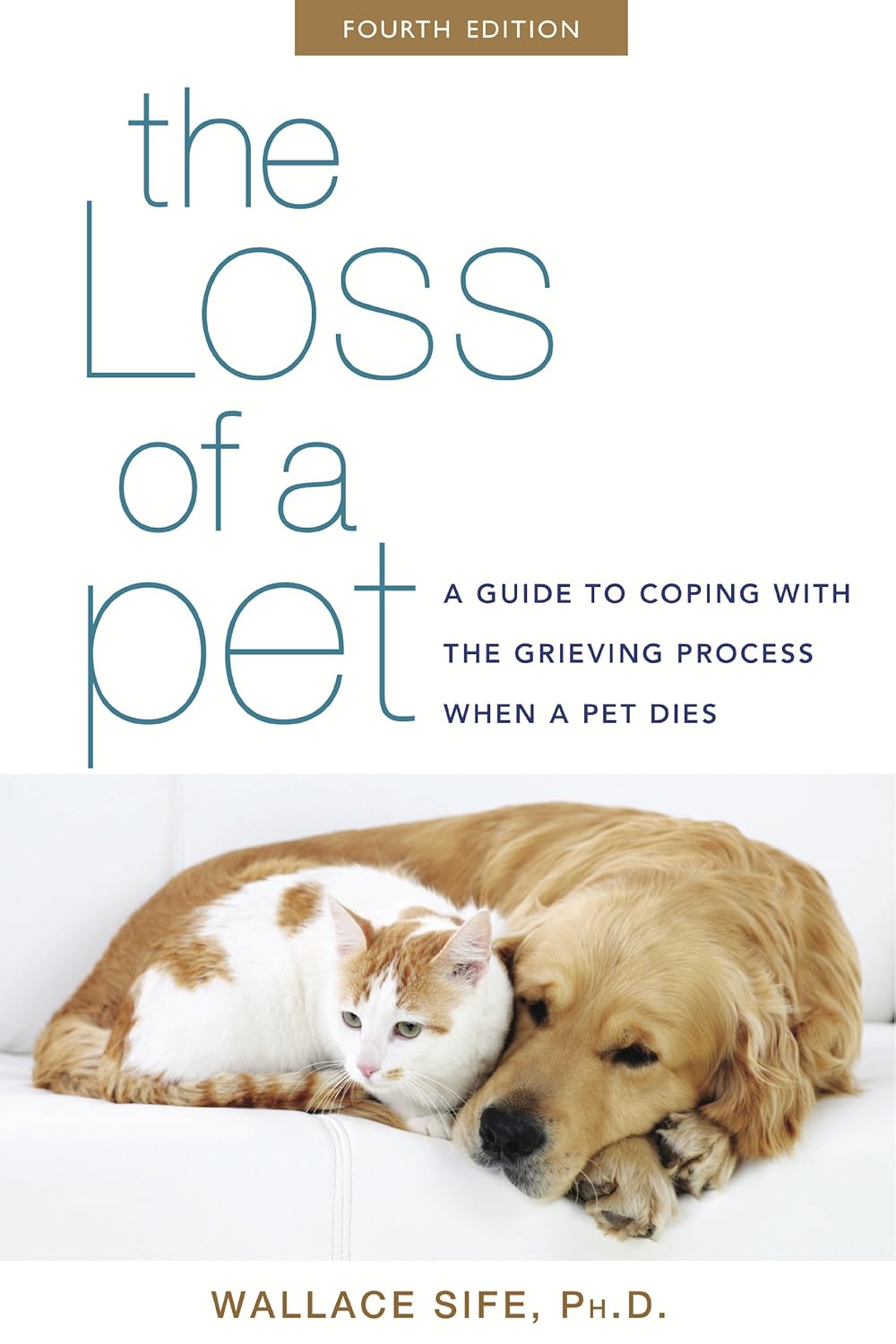
Books That May Bring Comfort

A few gentle, well-regarded reads for this part of the journey.

As an Amazon Associate we earn from qualifying purchases. The book links below are affiliate links, and we may earn a small commission if you buy through them, at no extra cost to you. Learn more.

Looking for more? See our full guide to the best books on pet grief.

When It Is Time for a Cat: Common Questions

Gentle answers for a decision made harder by how well cats hide.

How do I know when it is time to euthanize my cat?

Cats are masters at hiding pain, so the signs are often quiet: hiding away, refusing food and water, no longer grooming, struggling to reach the litter box, or withdrawing from the people they love. Look at the overall picture rather than one symptom, and ask whether the good days still outnumber the bad. A quality-of-life assessment and an honest talk with your veterinarian can bring clarity when love and fear cloud your view.

Why is it so hard to tell if my cat is suffering?

Cats instinctively mask illness and pain, a survival trait from their wild ancestors, so by the time signs are obvious they are often quite unwell. This is why subtle changes matter so much: a cat who hides, stops eating, or stops grooming may be suffering more than their calm appearance suggests. Trust the changes you notice, and share them with your veterinarian.

What if my cat still purrs or eats a little?

Purring can be comforting behavior rather than proof of contentment, and cats sometimes purr when they are stressed or in pain. A few bites of food or an occasional purr are precious, but they do not by themselves mean your cat is comfortable overall. Weigh them against the fuller picture of pain, mobility, appetite, and joy across recent days.

How can a quality of life scale help with a cat?

A quality of life scale gives you a structured, honest way to rate the parts of your cat's daily life that matter most, such as pain, appetite, hydration, hygiene, and happiness. Because cats hide so much, scoring these areas over several days can reveal a decline that day-to-day impressions miss, and help you and your veterinarian reach the kindest decision together.

Should I wait for a clear sign from my cat?

Waiting for an unmistakable sign can mean waiting through hidden suffering, since cats rarely make their pain obvious. It is okay to base the decision on a steady pattern of decline and your veterinarian's guidance rather than one dramatic moment. Trusting the overall trend is not giving up on your cat. It is protecting them.

Trust what you see, and be gentle with yourself

Explore the guides that help you weigh this choice and prepare for the goodbye.

Ads.txt